
Apple Reveals Apple Music Hall, a New Live Venue in London
Apple launches Apple Music Hall, a 600-seat venue in London's Battersea Power Station. The space combines intimate concerts with professional recording, mixing, and broadcast facilities. Shows will be livestreamed globally on Apple Music starting September 28.
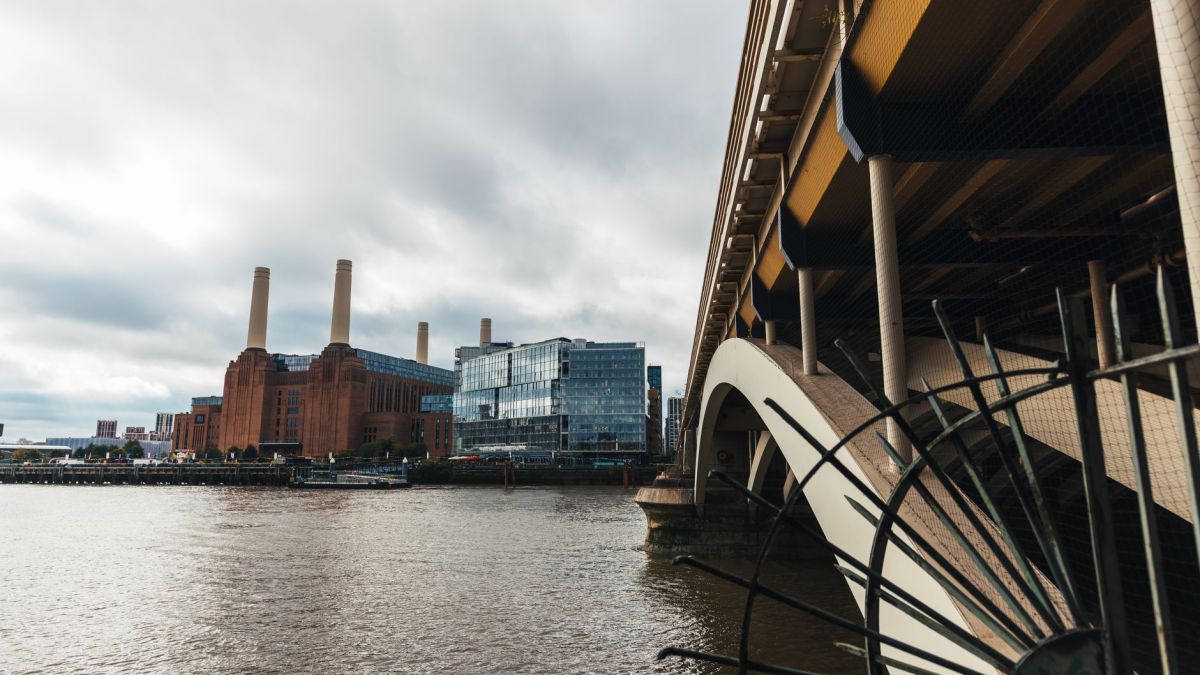
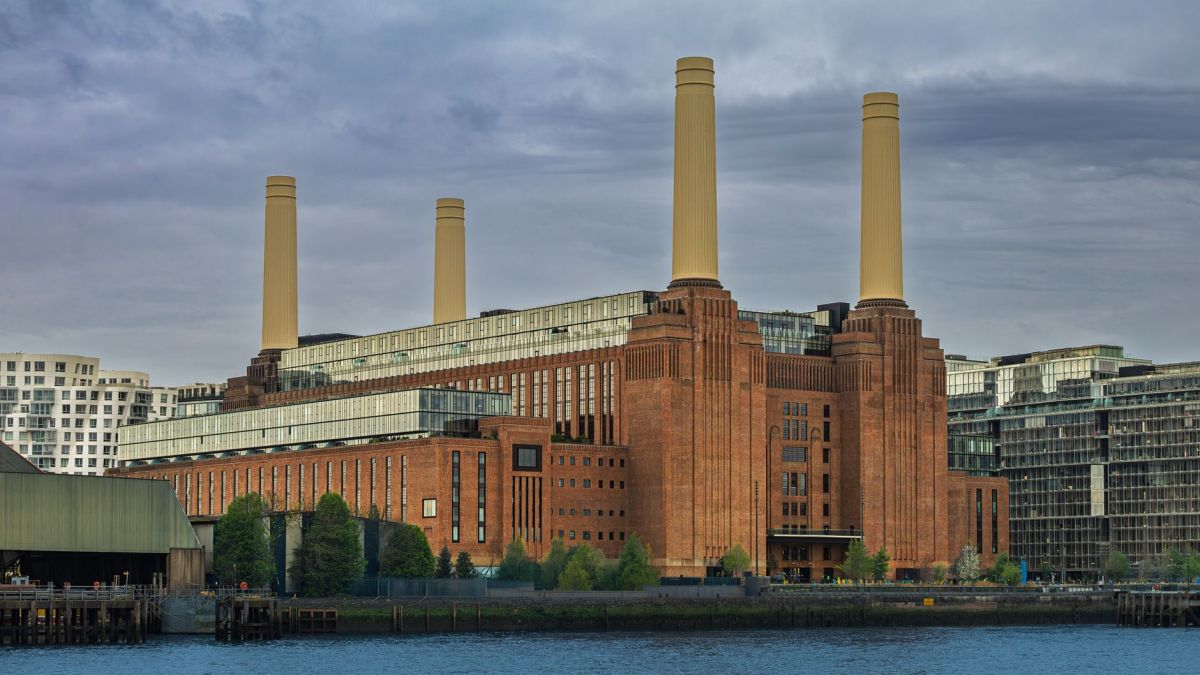
Apple has announced the opening of Apple Music Hall, a state-of-the-art live music venue located within the historic Battersea Power Station in London. Situated beneath the company's European headquarters, the 600-capacity space is designed to bridge the gap between artists and fans through bespoke, intimate performances. Beyond being a concert hall, the facility serves as a full-scale production hub, allowing artists to record, mix, and broadcast high-fidelity content globally. The venue officially opens its doors on September 28.
Quick summary
- Apple Music Hall opens September 28 at Battersea Power Station in London.
- The venue has a 600-person capacity and a 38-foot-wide reconfigurable stage.
- It features a 48-speaker spatial sound system and support for 16 or more broadcast cameras.
- Artists can produce a broadcast-ready mix, Spatial Audio recording, and multicamera video from a single show.
- The complex includes professional recording studios and new headquarters for Apple Music Radio hosts in London.
- Performances will be livestreamed globally on Apple Music.
What happened
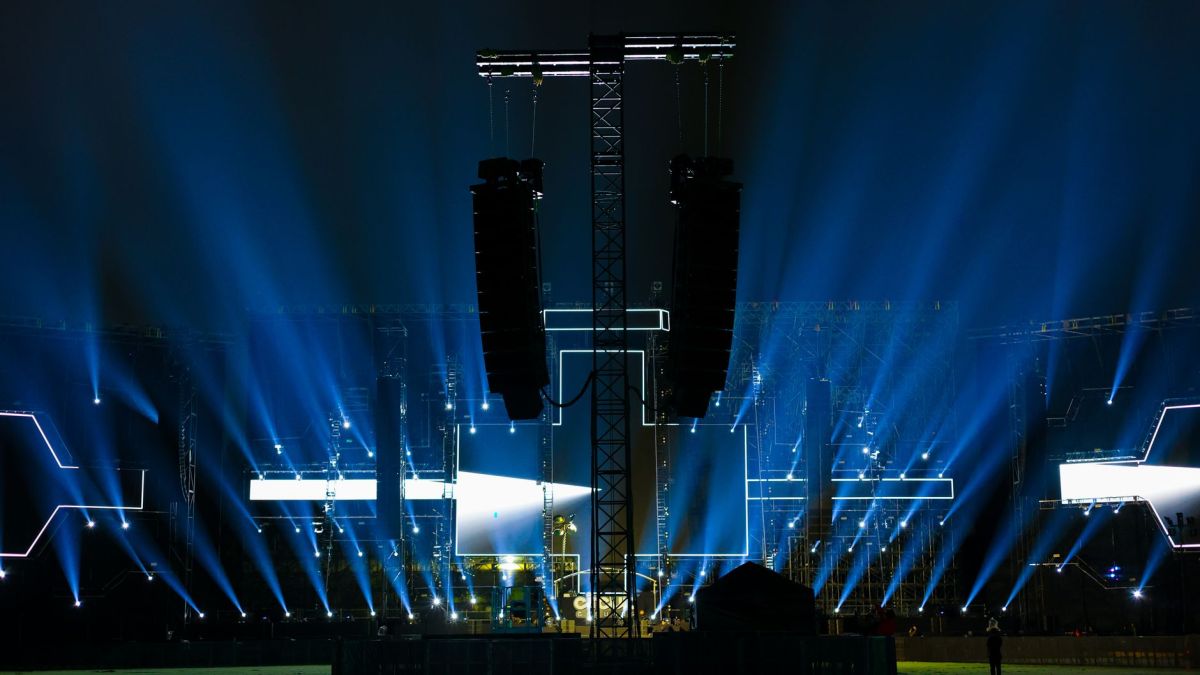
Apple unveiled Apple Music Hall as a venue designed for intimate, one-off concerts that prioritize the connection between performer and audience. The architecture blends modern technology with the heritage of Battersea Power Station, featuring fluted arches, bronze balconies, and heritage brickwork specifically selected to absorb reflected sound. A massive glass wall provides a panoramic view of the concourse and the river, integrating the venue into the historic landmark's aesthetic.
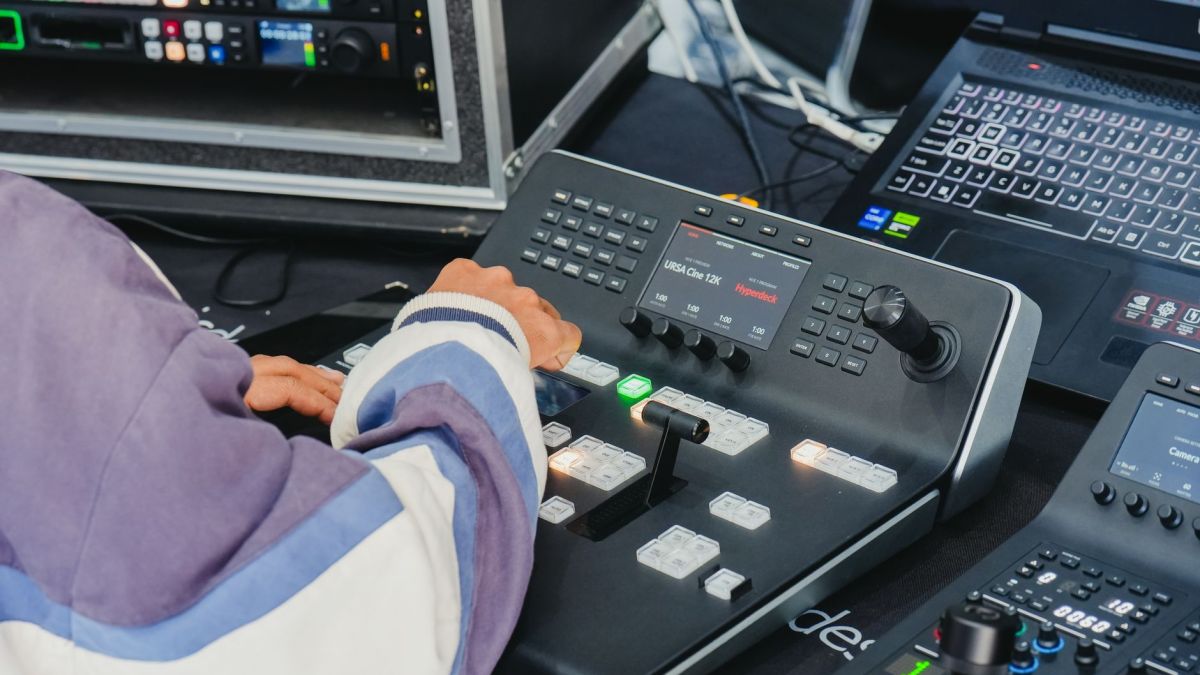
Technologically, the venue is built for high-end production. It features a 38-foot-wide stage that can be set up for traditional front-facing shows or in-the-round performances. The audio experience is driven by a 48-speaker spatial sound system positioned around the audience, while the visual side is supported by a broadcast control room hardwired for 16 or more cameras, including integrated support for iPhone video capture running in parallel with traditional broadcast equipment. This infrastructure allows for a seamless transition from a live event to a finished digital product.
The facility functions as a comprehensive operational production center. It houses two professional recording and mixing studios built to professional standards, as well as dedicated spaces for DJ mixes, writing camps, and band rehearsals. According to Apple, an artist can perform a show and leave with a finished Spatial Audio recording, a broadcast-ready mix, and multicamera video — all from a single performance. Additionally, the venue will serve as the new home for all London-based Apple Music Radio hosts, who are relocating from their previous studios in King's Cross.
How we got here
This venture marks Apple's return to the London live music scene nine years after the end of the iTunes Festival. That previous initiative saw global stars such as Adele, Lady Gaga, Elton John, and Britney Spears perform free shows at venues including The Roundhouse and Koko. The new hall represents an evolution of that commitment, moving from rented venues to a permanent, company-owned infrastructure integrated directly with its streaming service.
The launch occurs during a period of significant pressure for the UK's live music industry. According to the BBC, approximately 400 clubs across Britain closed between 2020 and 2025 due to rising living costs and post-pandemic lifestyle changes. In London alone, 45 venues shut down last year. This environment has led to concerns that a tech giant with substantial financial resources could disrupt the local market of independent venue owners.
- iTunes Festival: Apple's previous London concert series featuring major global acts.
- Nine years ago: Apple scrapped the iTunes Festival.
- 2020-2025: Roughly 400 UK clubs close due to economic pressures.
- Early September 2024: BBC tours venue as finishing touches are made.
- September 28, 2024: Apple Music Hall officially opens.
Who are the involved
Oliver Schusser, Apple's vice president of Apple Music and international content, is a central figure in the project. With 21 years at the company, including the period when Jimmy Iovine served as a creative consultant, Schusser has emphasized that the venue is about supporting artists rather than competing with the live music business. Zane Lowe, Apple Music's global creative director and lead anchor for Apple Music 1, also highlighted the venue's role in fostering the relationship between artists and their fans.
From a governmental perspective, UK Culture Secretary Lisa Nandy welcomed the opening, describing it as a vote of confidence in the UK as a global creative powerhouse. The project also draws on the philosophy of music mogul Jimmy Iovine, who previously served as a creative consultant for Apple from 2014 to 2018. Iovine has argued that streaming services often act as passive utilities rather than platforms for artist-fan connection.
What the parties say
Oliver Schusser told BBC News that Apple is not trying to compete with existing venues, citing the small 600-person capacity as evidence that they are not seeking to dominate the live business. He stated that the sole purpose is to connect artists with fans and broadcast that content on Apple Music. Schusser also noted that the venue aims to promote new and upcoming bands to ensure a future pipeline of catalog music, calling it one of the biggest opportunities and challenges in the music business right now.
Zane Lowe emphasized that Apple Music employees are fans themselves, and the hall is a way to celebrate the relationship between creators and listeners. Meanwhile, Jimmy Iovine criticized the current streaming model in a February interview, calling it one-dimensional and akin to an ATM machine. He argued that artists want to communicate with their fans directly, pointing to platforms like TikTok and Instagram as examples of that connection. Schusser agreed, saying Apple wants its music service to be more than an anonymous place where a button is pressed and music starts playing.
Explainer
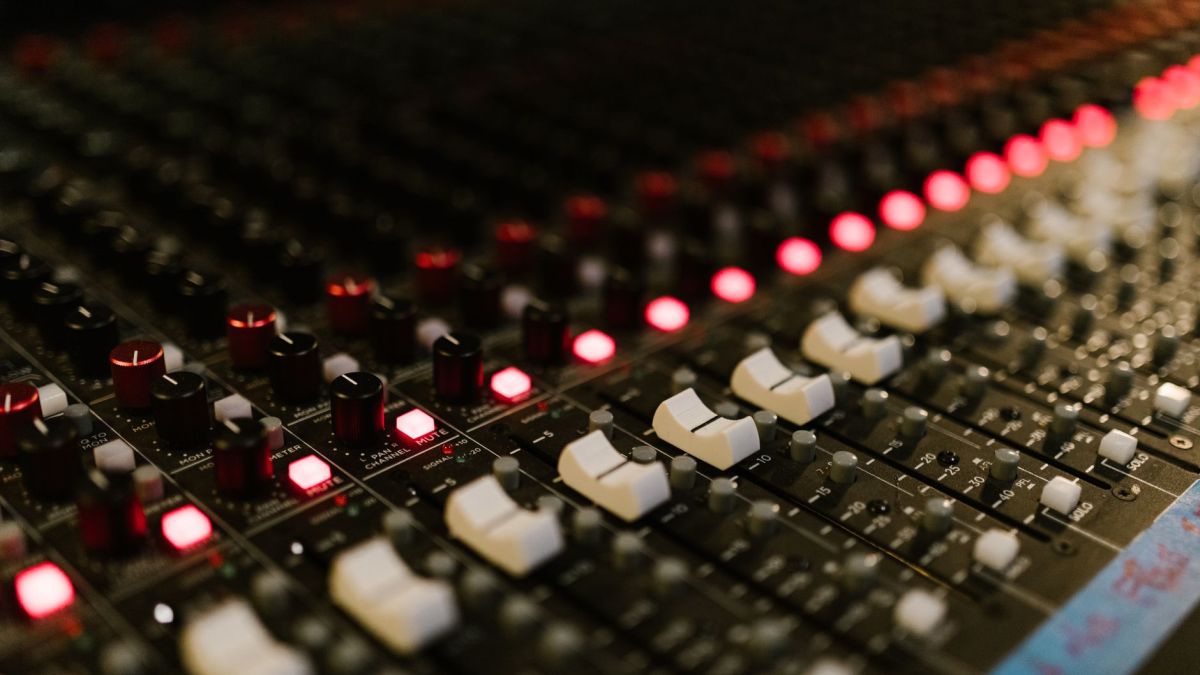
Spatial Audio is an immersive sound technology that creates a three-dimensional audio environment, making the listener feel as if sounds are coming from all directions, including above. In the context of Apple Music, this is typically achieved through Dolby Atmos mixing, which allows engineers to place individual sounds in a 3D space rather than a traditional stereo left-right field. The 48-speaker system at Apple Music Hall is designed to reproduce this experience live for the audience in the room.
An in-the-round performance refers to a stage configuration where the audience surrounds the performer on all sides, rather than facing them from one direction. This setup is typically used to create a more intimate and immersive experience. The 38-foot-wide stage at Apple Music Hall can be reconfigured to support this format, as well as traditional front-facing shows, giving artists flexibility in how they present their work.
Impacts and why it matters
The opening of Apple Music Hall represents a strategic attempt to differentiate Apple Music from competitors such as Spotify and Amazon Music. By owning the means of production — the venue, the recording studios, and the broadcast equipment — Apple can create exclusive, high-quality content that cannot be replicated by services that rely solely on digital distribution. This transforms the streaming service from a simple delivery platform into a content creator, potentially deepening subscriber loyalty.
Furthermore, the venue addresses what Schusser described as a gap in the streaming experience: the lack of meaningful interaction between artists and fans. By producing live shows that yield Spatial Audio recordings, broadcast video, and livestreams simultaneously, Apple creates a content engine that serves both the in-room audience and the global subscriber base. However, the arrival of a deep-pocketed corporate venue in a market where hundreds of independent clubs have closed has raised concerns among some industry observers about competitive pressure on smaller operators.
What comes next
Apple Music Hall officially opens on September 28. While the first performing acts have not yet been announced, Apple has launched a dedicated website at applemusichall.com where fans can sign up for ticket alerts. The company is also promoting the venue via Instagram and TikTok under the handle @applemusichall. In the coming weeks, the transition of Apple Music Radio hosts from King's Cross to the new Battersea studios will be completed.
The industry will be watching to see if this model of integrated live production and streaming becomes a template for other markets. Schusser has indicated that the focus remains on artist development and content creation rather than venue expansion. As the venue begins operations, its ability to attract both established stars and emerging talent — and to convert those performances into compelling streaming exclusives — will determine whether the investment achieves its strategic goals.
Quick questions
What is Apple Music Hall?
Apple Music Hall is a new 600-capacity live music venue and production facility located in London's Battersea Power Station, designed for intimate concerts that are recorded, mixed, and livestreamed globally on Apple Music.
When does Apple Music Hall open?
The venue officially opens on September 28.
Can anyone attend shows at Apple Music Hall?
Yes, tickets will be sold for in-person attendance, and performances will also be livestreamed globally for Apple Music subscribers.
Sources consulted
- Apple Reveals Apple Music Hall, a New Live Venue in London — Variety
- Apple Music opens new live music venue in London — 9to5Mac
- iOS 27.2 reveals new features coming to Apple Music, CarPlay, more — 9to5Mac
- Apple Music Hall Spatial Audio Venue Opens in Battersea Power Station — MacRumors
- Apple Music to open concert venue in Battersea — BBC News
Written with the help of artificial intelligence from the sources above. Found a mistake? Let our editors know.
Read next

Fortnite to launch Five Nights at Freddy’s crossover for Fortnitemares
Fortnite will introduce a Five Nights at Freddy’s crossover on October 1, 2026, coinciding with the start of Fortnitemares. The update includes four iconic animatronic skins and various themed cosmetics.

Andrew Garfield Stars in 'The Uprising' Now Heading to Digital
Andrew Garfield stars in 'The Uprising,' a historical action epic directed by Paul Greengrass. After a challenging theatrical run, the film is transitioning to digital platforms and physical media releases.

VisionQuest: Marvel Introduces Jocasta in New Disney+ Series
Marvel Studios has unveiled new promos for 'VisionQuest,' a series following White Vision's struggle for identity. The show introduces the villain Jocasta and features the return of Ultron and several AI personas.