
30-Year Treasury Yield Hits Highest Level Since 2004 as Rate Hike Bets Surge
The 30-year Treasury yield climbed to 5.438%, its highest since 2004, while the 10-year yield reached a 2007 peak. Strong PMI data, rising oil prices, and hawkish Fed remarks drove a global bond selloff and pushed rate-hike odds above 75% for October.
U.S. government bond yields climbed to multi-decade highs early Thursday morning, reflecting growing investor conviction that the Federal Reserve will implement additional interest rate hikes. The 30-year Treasury yield hit a peak not seen since 2004, reaching 5.438%, while the benchmark 10-year note surged to 5.139%, its highest level since July 2007. This movement comes amid a broader global selloff of government bonds and a backdrop of stronger-than-expected U.S. economic activity, which has shifted market expectations regarding the trajectory of monetary policy.
Quick summary
- The 30-year Treasury yield reached 5.438%, the highest level since 2004.
- The 10-year Treasury yield hit 5.139%, a peak not seen since July 2007.
- Strong PMI data and rising oil prices are driving the bond selloff.
- Traders now see a more than 75% chance of a rate hike in October, up from 49% a week ago.
- The surge in yields has negatively impacted risk assets, including Bitcoin and other cryptocurrencies.
What happened
Treasury yields experienced a sharp increase across various maturities on Thursday. The 30-year yield rose by more than 3 basis points to reach 5.438%, while the 2-year note climbed to 4.897%, its highest mark since 2023. According to Treasury data, the 10-year note closed Wednesday at 5.11%, representing a daily increase of approximately 14 to 15 basis points.
The selloff was not limited to the U.S. market. Japan's 10-year JGB yield rose 8 basis points to 3.055%, the highest since August 1996. Similarly, yields on U.K. Gilts and German Bunds moved higher, with several European bonds hitting fresh multi-year highs. This global trend indicates a widespread shift in investor sentiment toward government debt.
Contributing to the volatility, a $70 billion sale of five-year notes saw weak demand, clearing at 5.033%. This represents the highest auction yield since 2006 and was roughly 3 basis points above the trading price prior to the sale, signaling that buyers required higher yields to accept the debt.
How we got here
The current spike in yields is the result of a combination of economic indicators and geopolitical pressures. S&P Global's purchasing managers' index (PMI) released Wednesday showed a significant jump in activity; the services PMI rose to 58.7 in September, the highest in nearly five years, while the manufacturing PMI reached 56.7, a four-year high. Additionally, the composite index hit 58.4, the highest since July 2021.
Energy markets also played a critical role. International Brent crude futures rose about 2.8% to $105.95 a barrel, while West Texas Intermediate (WTI) gained 2.2% to $94.40. According to Deutsche Bank analysts, the combination of strong PMIs and rebounding oil prices fueled speculation about faster rate hikes to combat inflation.
- Wednesday: S&P Global releases PMI data showing five-year highs in services and manufacturing.
- Wednesday: 10-year Treasury yield closes at 5.11%, hitting a 19-year high.
- Thursday: 30-year Treasury yield reaches post-2004 peak of 5.438%.
- Thursday: Brent crude oil rises to $105.95 per barrel, increasing inflation concerns.
Who is involved
The Federal Reserve's leadership has been vocal about the necessity of maintaining a restrictive policy. Michael Barr, a member of the Fed's Board of Governors, stated in a Wednesday speech that further policy adjustments are likely necessary to bring inflation down to the target level.
John Williams, President of the New York Federal Reserve, added to the hawkish tone during a speech in London on Thursday. Williams noted that it would be reasonable for the market to expect another interest rate hike by the end of the calendar year.
What the parties say
Analysts from Deutsche Bank explained that the recent PMI results reinforced a narrative of resilient economic growth. They noted that this resilience enables the Federal Reserve to keep hiking rates to deal with inflation, according to their Thursday note.
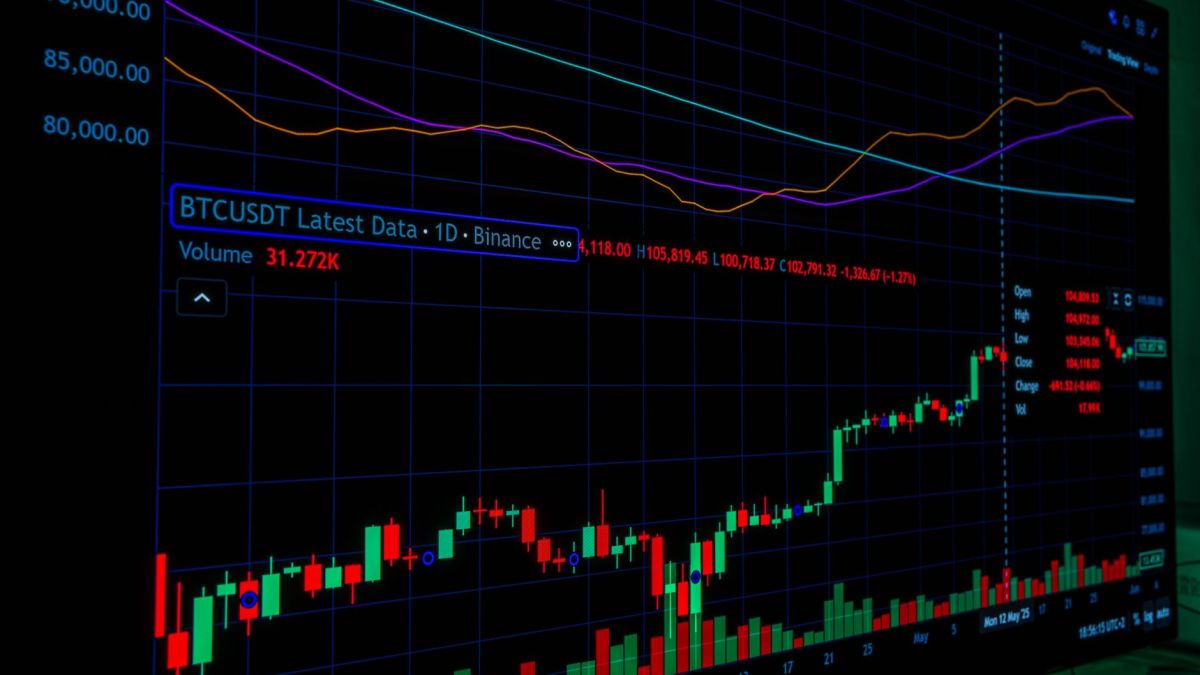
In the cryptocurrency sector, the impact was immediate. As yields on government debt rise, the attractiveness of non-yielding assets like Bitcoin decreases. Bitcoin fell below $84,000, trading near $83,200 to $83,900, while Dogecoin dropped 8% to just above 9 cents. Other assets like XRP, ZEC, and HYPE also saw losses between 5% and 6%.
Explainer
A Treasury yield is the return an investor receives on a government bond. Yields and bond prices move in opposite directions; when investors sell bonds, prices fall and yields rise. A 'basis point' is a standard unit of measure for interest rates, where one basis point equals 0.01%.
The Federal Open Market Committee (FOMC) is the branch of the Federal Reserve responsible for setting monetary policy, including the federal funds rate. The Purchasing Managers' Index (PMI) is an economic indicator derived from monthly surveys of private sector companies, used to gauge the health of the manufacturing and services sectors.
Impacts and why it matters
The surge in the 10-year Treasury yield is particularly significant because it is closely tied to mortgage rates. When this yield rises, borrowing costs for homeowners typically increase, which can slow down the housing market. Furthermore, higher government yields raise the bar for all other investments, making it more expensive for investors to borrow against leveraged positions.
The shift in market expectations is stark. According to the CME Group's FedWatch tool, the probability of a rate hike at the October meeting jumped to over 75%, compared to approximately 49% just one week prior. This suggests that the market is rapidly pricing in a more aggressive approach to fighting inflation.
What comes next
Investors are now focusing on upcoming economic data to determine if the trend will continue. Key reports expected on Thursday include weekly jobless claims and new home sales for August, which will provide further insights into the current state of the U.S. labor and housing markets.
The market also remains attentive to the Federal Reserve's upcoming communications and the potential for further rate adjustments as the year closes. *Disclaimer: This text is for informational purposes only and does not constitute investment recommendation.*
Quick questions
What caused the 30-year Treasury yield to hit its highest level since 2004?
A combination of stronger-than-expected U.S. PMI data, rising oil prices, and hawkish comments from Federal Reserve officials led to a global bond selloff and increased expectations for another rate hike.
How high did the 10-year Treasury yield go?
The 10-year yield reached 5.139% early Thursday, its highest since July 2007, and closed Wednesday at 5.11%, up roughly 14 to 15 basis points from the previous day.
What is the market pricing for the next Fed meeting?
According to the CME Group's FedWatch tool, traders see a more than 75% chance of a rate hike at the October meeting, up from about 49% a week earlier.
Sources consulted
- 30-year Treasury yield hits highest level since 2004 — CNBC
- 10-year Treasury yield spikes to highest point since 2007 — The Hill
- Bitcoin falls below $84K as 10-year Treasury yield hits 19-year high — Cointelegraph
- Dogecoin down 8%, bitcoin under $84,000 as Treasury yields hit highest level since 2007 — CoinDesk
Written with the help of artificial intelligence from the sources above. Found a mistake? Let our editors know.
Read next

MRVL stock: Marvell shows 2nm optical links, expands AT&S deal
Marvell Technology (MRVL) presented what it calls the industry's first 2nm optical interconnect demonstrations at ECOC 2026 and expanded its collaboration with AT&S to secure advanced IC substrate capacity for future AI and cloud infrastructure products.

Fast Food Chains Pivot to Protein as GLP-1 Use Rises
Major fast food chains are shifting from 'supersized' meals to high-protein, smaller-portion menus. This pivot is driven by the rise of GLP-1 weight-loss medications and a broader American trend toward wellness and functional nutrition.
Australia Raises Interest Rates to 15-Year High as Inflation Risks Mount
The Reserve Bank of Australia raised its cash rate to 4.6%, a 15-year high, marking the fourth increase this year. Governor Michele Bullock cited persistent inflation driven by Middle East energy shocks and AI-related tech costs, warning further hikes remain possible.