
UK government warns wildlife will feel drought effects for years
The UK government warns that wildlife in England and Wales will feel the drought's impact for years. Reservoir levels are low, water demand is up, and hundreds of environmental incidents have been recorded. Recovery depends on significant rainfall over the coming months.
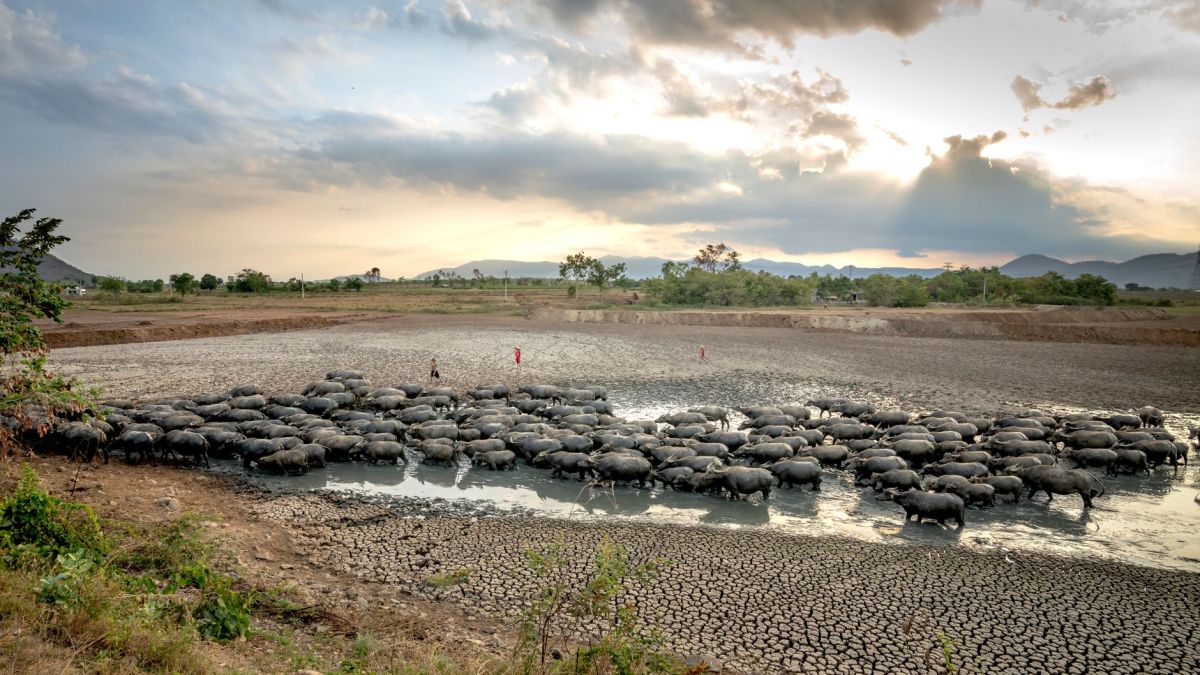
The UK government has warned that wildlife in England and Wales will feel the effects of the current drought for years to come. Large parts of England and all of Wales are experiencing a serious drought, marked as the driest July since records began in 1836. Water demand has risen by as much as 30% on the hottest days, while reservoir storage stands 19.7% below the seasonal average. So far this year, 349 environmental incidents have been recorded, including algal blooms, fish deaths and low river flows. Officials say that restoring normal conditions will require sustained and significant rainfall over the coming months.
Quick summary
- England and Wales recorded their driest July since 1836.
- Water demand increased up to 30% during peak heat.
- Reservoir levels are 19.7% below average for this time of year.
- 349 environmental incidents have been logged this year, covering algal blooms, fish deaths and water quality issues.
- Recovery depends on receiving 120% of average rainfall over the next seven months.
What happened
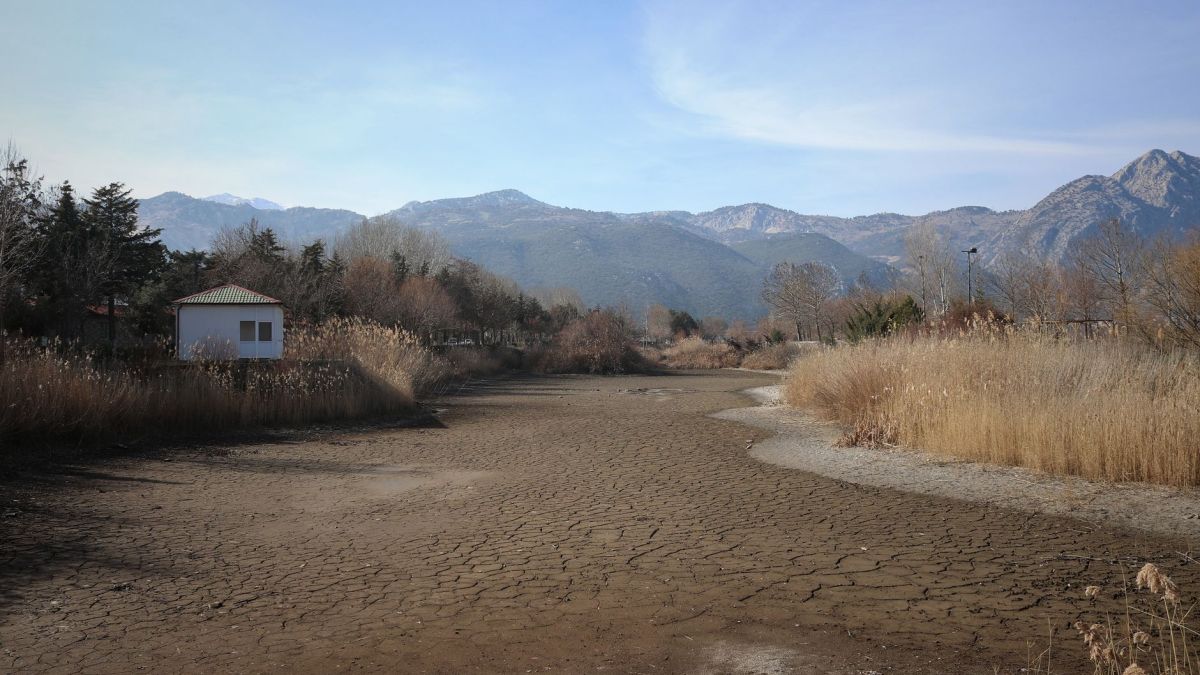
The drought has intensified pressure on water supplies across England and Wales. According to the National Drought Group, demand for water increased by up to 30% during the peak of the heatwaves. Despite some recent rainfall, reservoir storage in England remains 19.7% below the average for this time of year, with many reservoirs classified as notably or exceptionally low.
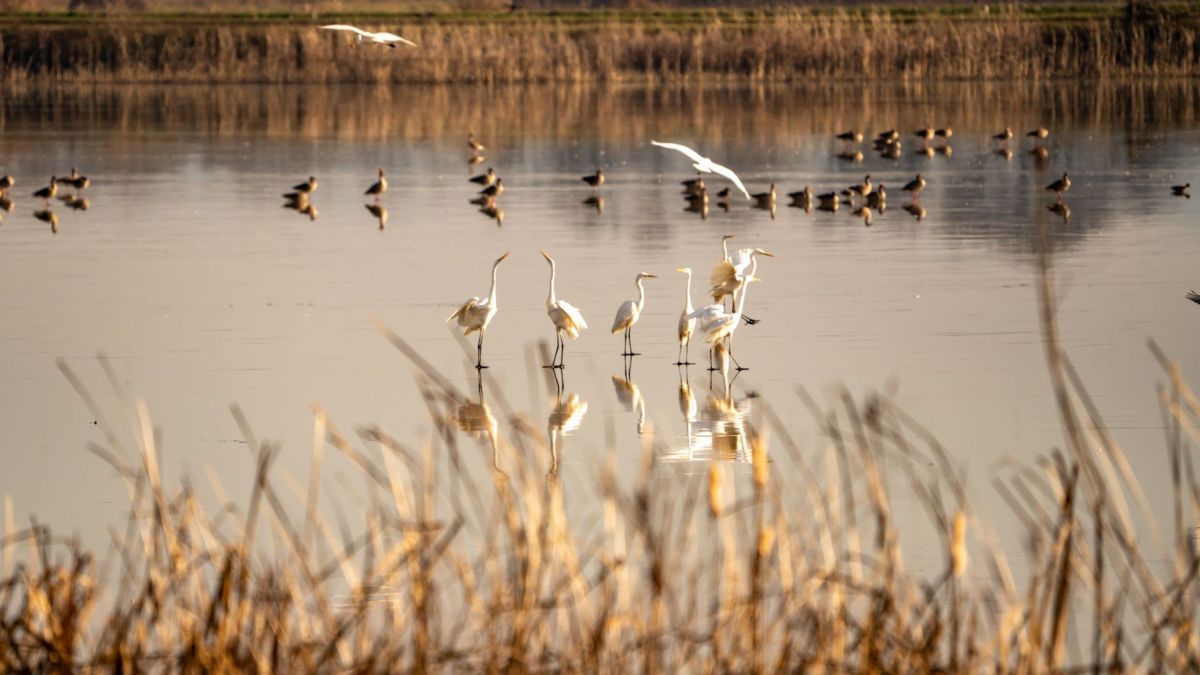
Environmental agencies have logged 349 incidents this year, a figure that includes algal blooms, fish deaths, water quality problems and unusually low river flows. Natural England reports that breeding waders and specialist wetland invertebrates have struggled significantly as their habitats dry out. In some areas, species‑rich wetlands have lost all standing water, leaving ecosystems without critical breeding grounds.
Tony Grayling, chair of the drought group and strategic lead for drought at the Environment Agency, said the short‑term impacts were visible over the summer but the effects on wildlife populations and ecosystems will persist for years. He added that the speed of recovery depends on both the amount of rainfall received and the continuing demand for water from households and industry.
How we got here
The current drought stems from a prolonged lack of rainfall combined with successive heatwaves that pushed temperatures to new records. Scientists attribute these extreme conditions to the broader climate crisis driven by the burning of fossil fuels.
Historical data show that the most recent July was the driest month since systematic record‑keeping began in 1836, depleting the natural reserves that normally sustain landscapes through the summer. This deficit has left many ecosystems vulnerable to stress and habitat loss.
Even with occasional rain, the National Drought Group notes that groundwater storage and reservoir levels continue to fall. The group warns that months of significant and sustained precipitation will be needed to reverse the trend.
Who is involved
Overall coordination of the drought response falls to the National Drought Group, chaired by Tony Grayling, who also serves as the strategic lead for drought at the Environment Agency.
The Environment Agency monitors reservoir levels, tracks water usage and advises the public on conservation measures to help replenish supplies.
Natural England, led by chief strategy officer Oliver Harmar, is focusing on the ecological side of the crisis. It is developing a research and monitoring programme specifically aimed at understanding the long‑term effects of drought and associated wildfires on wildlife and habitats.
What the parties say
Tony Grayling urged continued wise use of water, stating that it is vital for everyone to conserve water in the coming months to aid environmental recovery from the exceptionally dry spring and summer.
Oliver Harmar advocated for nature‑based solutions, explaining that restoring the natural hydrology of wetlands and peatlands helps the landscape retain water longer, recover more quickly from dry spells and reduces the risk of fire taking hold in dried‑out ground.
Explainer
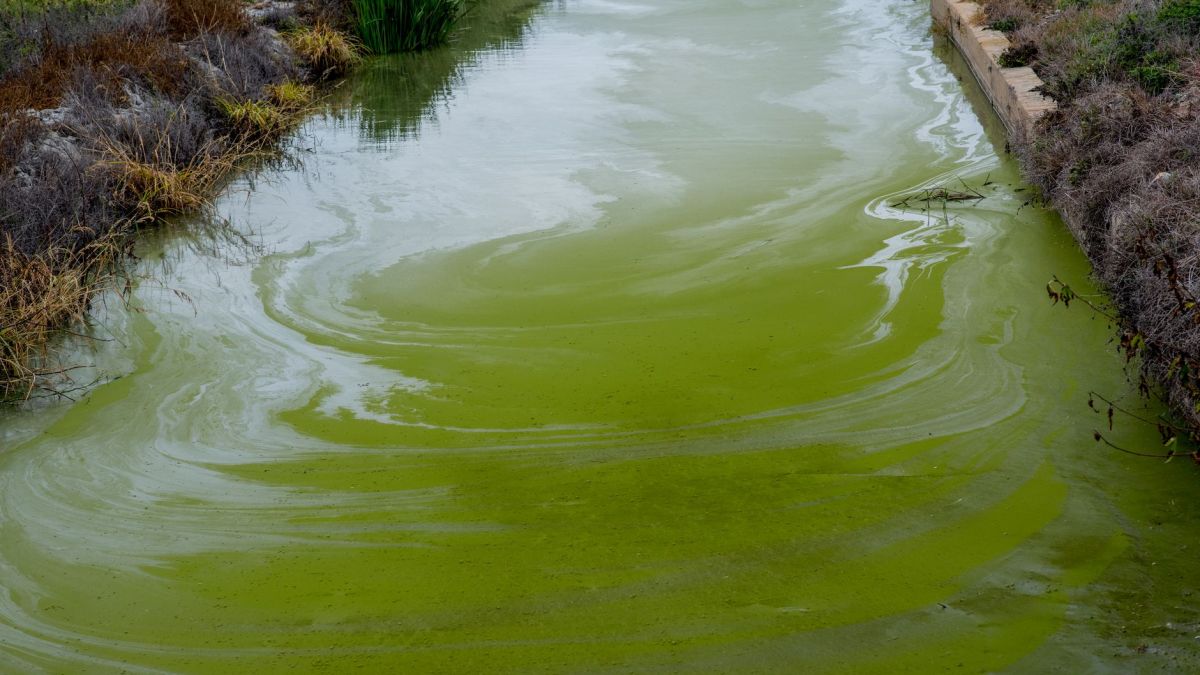
An algal bloom is a rapid increase in the population of algae in freshwater bodies, often triggered by warm temperatures and high nutrient levels. When the algae die and decompose, they consume dissolved oxygen, which can lead to fish kills and deteriorate water quality.
Natural hydrology refers to the natural movement of water across a landscape, including how it is absorbed by soils and released into streams. Restoring this process—by removing artificial drains or rewetting areas such as peatlands—allows the land to act like a sponge, holding water during wet periods and releasing it slowly during droughts.
Impacts and why it matters
Breeding waders and specialist wetland invertebrates have been among the hardest hit, with Natural England noting significant struggles as their habitats dry out. In the most severe cases, entire species‑rich wetlands have lost all standing water, eliminating essential breeding and feeding grounds.
The decline in groundwater storage reduces the land’s resilience to future heatwaves, while dried peatlands become highly flammable, raising the risk of wildfires that can further damage carbon‑sequestering habitats and threaten long‑term water security.
What comes next
The Environment Agency has said that ending the drought will require 120% of average rainfall over the next seven months, which would allow the entire country to be out of drought by next spring.
Parallel to this, Natural England will roll out its research and monitoring programme to track the long‑term biological consequences of the current drought and any associated wildfires, ensuring that future conservation actions are based on observed impacts.
Quick questions
What has the UK government said about the drought's effect on wildlife?
The government warns that wildlife in England and Wales will feel the drought's impact for years to come, with effects on populations and ecosystems expected to persist.
How severe is the current drought in England and Wales?
Large parts of England and all of Wales are in a serious drought, marked as the driest July since records began in 1836, with reservoir levels 19.7% below average and water demand up to 30% higher on hot days.
What are the main environmental incidents linked to the drought?
Officials have recorded 349 incidents this year, including algal blooms, fish deaths, water quality problems and unusually low river flows.
Sources consulted
Written with the help of artificial intelligence from the sources above. Found a mistake? Let our editors know.
Read next

Croatia vs Spain: Nations League preview, lineups and stakes
Croatia host Spain at Stadion Poljud in Split on Tuesday, October 6, in the UEFA Nations League 2026-27 Group A3. Spain arrive with a perfect record and a 41-match unbeaten run, while Croatia look to respond after their heaviest defeat in history.

MRVL stock: Marvell shows 2nm optical links, expands AT&S deal
Marvell Technology (MRVL) presented what it calls the industry's first 2nm optical interconnect demonstrations at ECOC 2026 and expanded its collaboration with AT&S to secure advanced IC substrate capacity for future AI and cloud infrastructure products.

Romania vs Sweden: Nations League Preview, Lineups and Odds
Romania hosts Sweden at Arena Nationala in Bucharest on Monday, October 5, with kickoff at 15:45, in a UEFA Nations League fixture. Sweden won the reverse match 2-1 ten days ago and is the bookmakers' favorite.