
Baby bank helping more parents in full-time work amid rising living costs
A community baby bank in Birmingham is seeing an increasing number of full-time working families seeking help to afford daily essentials such as baby formula and nappies amid rising living costs.

A community support initiative in Birmingham is experiencing a notable shift in demand as a growing number of parents in full-time employment turn to its services to afford essential items for their children, highlighting broader economic pressures on households.
Quick summary
- A Birmingham baby bank reports supporting more full-time working families.
- Founders Kavita and Karvinder Dhillon note high demand for everyday items like formula and nappies.
- The facility operates inside a retail boutique to help reduce social stigma.
- Organizers emphasize that financial struggles can affect anyone regardless of appearance.
- The initiative has been operating since 2024 to assist families in need.

What happened
The Handsworth Baby and Family Bank, located on Soho Road in Birmingham, has observed a distinct change in the demographic of people seeking assistance. While the organization initially provided aid predominantly to low-income households, the founders report that working families are increasingly coming forward to secure daily necessities. According to the organizers, the primary requests are no longer for clothing, but rather for fundamental everyday items including baby formula, nappies, wipes, and basic toiletries.
The facility is currently facing severe shortages of specific supplies, noting a particular urgency for baby formula, with stock levels sometimes dropping to just a handful of remaining tubs. The organizers stress that financial vulnerability is not always visible to the public. They point out that owning a vehicle or wearing nice clothing does not preclude a family from experiencing severe economic hardship in the current climate.
How we got here
The baby bank was established in 2024, operating directly from within a retail space managed by its founders. From its inception, the project aimed to create a supportive environment for local parents facing financial difficulties. Organizers designed the physical layout purposefully, placing the support service inside a commercial boutique to help alleviate potential embarrassment or social stigma associated with asking for charitable assistance.
As general living expenses have steadily climbed over recent months, the operational scope of the center has expanded to match the community's evolving needs. What started as a modest local effort has transformed into a critical resource for individuals navigating unexpected budget shortfalls despite maintaining steady employment. The timeline of the project reflects an escalating community reliance on charitable safety nets.
- 2024: The Handsworth Baby and Family Bank opens inside a retail boutique on Soho Road.
- Ongoing: The organization experiences a continuous rise in operational demand.
- Present: Founders report a significant increase in full-time working parents seeking daily essentials.
Who is involved
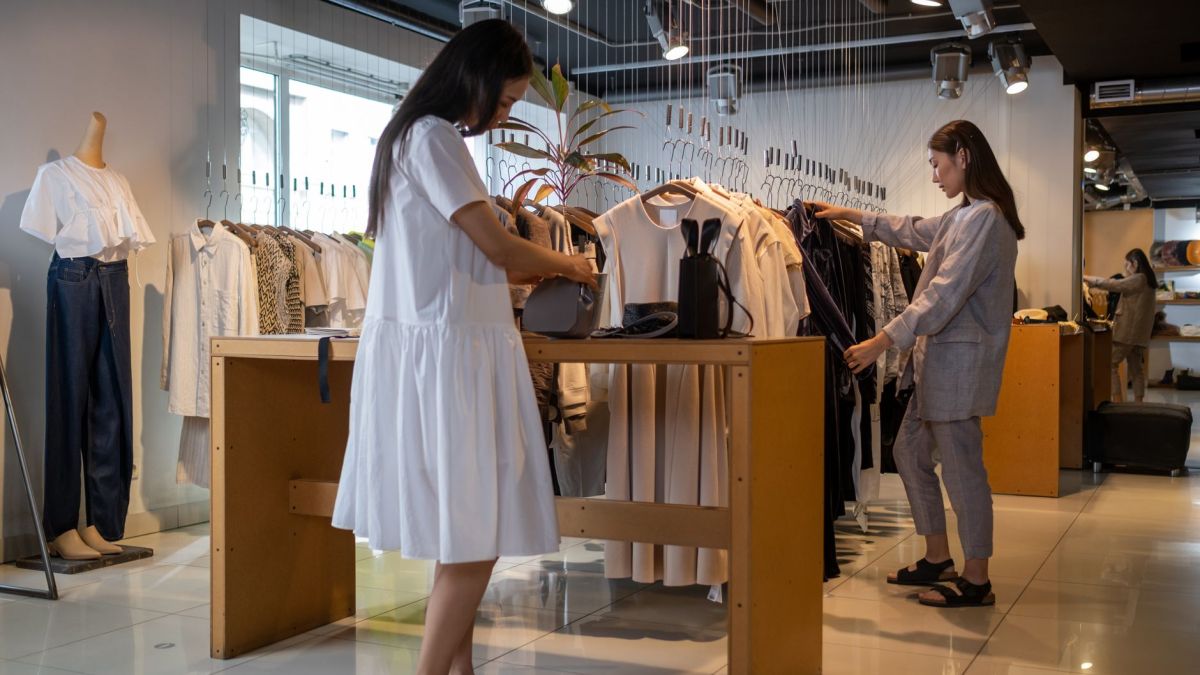
The initiative is operated by Kavita Kaur Dhillon and her husband, Karvinder Dhillon, who run both the community project and their commercial store, Dhillons Boutique, from the same location on Soho Road. Their unique business model integrates community support directly into a retail environment, allowing families to access resources discreetly.
The primary beneficiaries of the project are parents and young families residing in the local area who find themselves unable to keep pace with standard household expenses. The founders interact directly with these individuals, managing inventory, assessing daily requirements, and distributing the donated goods to those who qualify for assistance based on need.
What the parties say
Co-founder Kavita Kaur Dhillon has highlighted the shifting nature of the hardship experienced by local residents, noting that rising expenses have fundamentally changed who requires help. "As the daily cost of living has gone up, people need help with more day-to-day things," she stated, emphasizing the critical need for consumable goods over durable items like clothing.
Addressing the perceptions surrounding financial distress, Dhillon remarked on the hidden nature of poverty and modern economic strain. "Just because you dress nice, or drive a nice car, doesn't mean you don't need help," she said. She also encouraged community members experiencing hardship to seek assistance without fear, adding, "It's nothing to be ashamed of or to be scared of. There's no shame in asking for help."

Explainer
A baby bank is a community-based, charitable organization that collects and distributes essential items for infants and young children—such as nappies, formula, wipes, and clothing—to families who cannot afford them. These organizations often operate similarly to food banks, relying on donations from the public and local businesses to maintain their inventories.
The concept of reducing stigma in charitable settings involves designing service locations so that visitors feel comfortable and unjudged. By integrating support services into ordinary commercial spaces, organizations aim to remove visible markers that might otherwise deter individuals from seeking necessary assistance during difficult economic periods.
Impacts and why it matters
The increasing reliance on charitable organizations by fully employed individuals underscores broader economic challenges related to inflation and the cost of basic goods. When full-time workers are unable to purchase essentials like baby formula, it signals severe financial strain within the standard workforce, pointing to a mismatch between stagnant incomes and rising everyday expenses.
Locally, initiatives like the Handsworth Baby and Family Bank provide a crucial safety net that prevents families from falling into deeper destitution. By supplying immediate relief for infant care, these organizations help alleviate the acute stress placed on parents who are trying to balance employment income with the fundamental requirements of raising children.

What comes next
The founders of the Handsworth Baby and Family Bank intend to continue operating their support service from the Soho Road location as long as community demand persists. Organizers remain focused on securing steady donations of critical items, particularly baby formula, to replenish their dwindling stock and maintain continuous support for the families who rely on them.
Quick questions
What is a baby bank?
A baby bank is a charitable organization that provides free essential items like nappies, baby formula, and clothes to families who cannot afford them.
Why are full-time workers using the Birmingham baby bank?
Rising living costs have made it difficult for many working families to afford everyday essentials, prompting them to seek support despite having steady employment.
Where is the baby bank located?
The Handsworth Baby and Family Bank operates from inside Dhillons Boutique store on Soho Road in Birmingham.
Sources consulted
Written with the help of artificial intelligence from the sources above. Found a mistake? Let our editors know.
Read next

Venice's 1171 Debt Crisis Sparked Modern Bond Market Foundations
In 1171, Byzantine Emperor Manuel I Komnenos arrested thousands of Venetian merchants and seized their assets. To fund a retaliatory fleet, Venice imposed a forced loan on citizens with tradable receipts paying 5% interest. The military campaign failed, the doge was killed by a mob, but the financial innovation endured, creating

G7 to release 100m barrels of oil reserves amid price surge
G7 leaders agreed to release up to 100 million barrels of diesel and crude oil over four months to curb soaring fuel prices. The coordinated move follows pressure from the U.S. and aims to stabilize markets disrupted by conflicts in Iran and Ukraine.

Spain announces ban on evictions after 87-year-old's protest
Spain's coalition government approved two decrees that ban evictions of vulnerable tenants until 2030 and restrict purchases by investment firms. The measures follow nationwide protests sparked by the eviction of 87‑year‑old Maricarmen Abascal from her Madrid apartment. Congressional approval is needed within 30 days, with a pos