
Fast Food Chains Pivot to Protein as GLP-1 Use Rises
Major fast food chains are shifting from 'supersized' meals to high-protein, smaller-portion menus. This pivot is driven by the rise of GLP-1 weight-loss medications and a broader American trend toward wellness and functional nutrition.
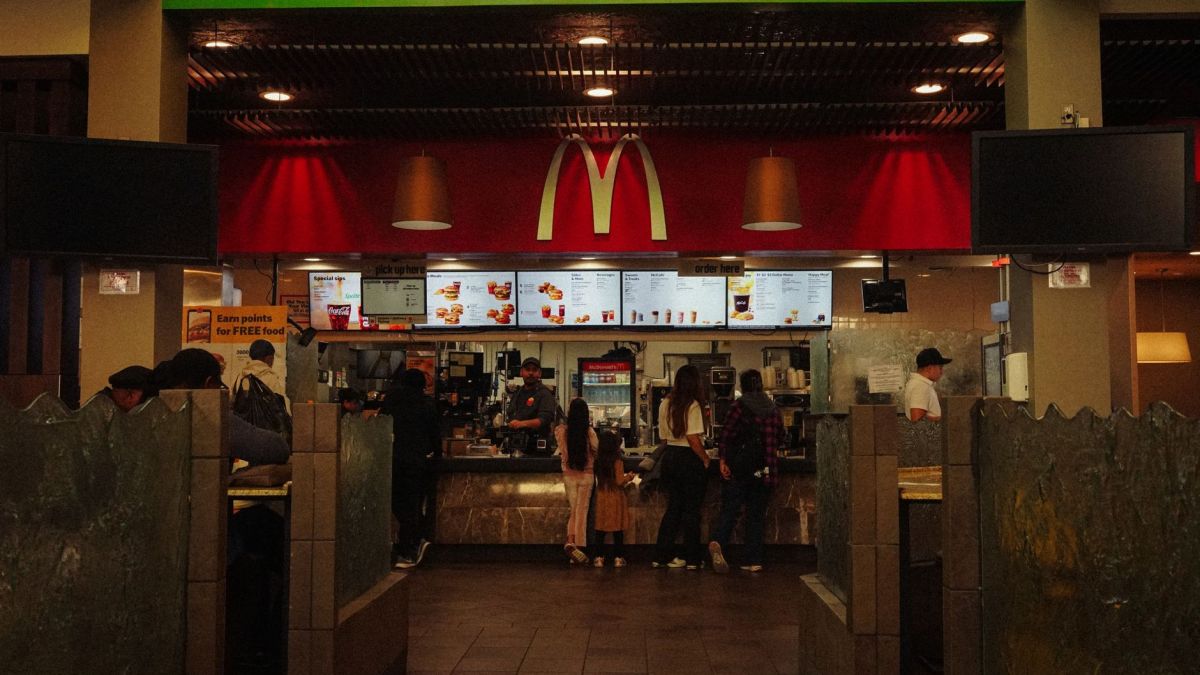
The American fast food industry is undergoing a strategic transformation as major chains move away from the era of oversized meals toward menus centered on high-protein options and flexible portion sizes. This shift is largely driven by the increasing use of GLP-1 weight-loss medications and a general consumer pivot toward wellness. Leading companies, most notably McDonald's, are investing billions into menu overhauls and restaurant modernization to align with these changing eating habits.
Quick summary
- Fast food chains are prioritizing quality and nutrition over 'supersized' value portions.
- McDonald's is exploring an $8.5 billion, decade-long overhaul to modernize operations and menus.
- GLP-1 medication use among U.S. adults rose from 3% in 2024 to 11% in 2026, according to Gallup.
- Companies are introducing 'protein badges' and dedicated high-protein menus to attract health-conscious diners.
- Wall Street reacted with caution, as McDonald's shares fell 6% following the spending announcement.
What happened
McDonald's has announced a plan to spend roughly $8.5 billion over the next decade to support franchisees and modernize its business. As part of this effort, the company is exploring smaller, more flexible portions and protein-first options. According to Fortune, the chain is considering the addition of egg bites, crispy chicken and burger bowls, and grilled chicken sandwiches and wraps to cater to GLP-1 users and those seeking higher protein.
The company has already begun implementing these changes. In April, McDonald's added protein callouts—badges marking specific protein items—to 17 menu items on its app and kiosks. The company reports that more than 30 of its menu items now contain at least 15 grams of protein. Other industry players are following suit; Chipotle has introduced a High Protein Menu with options ranging from 15 to 81 grams of protein, and Wendy's is highlighting items like its 37-gram-protein Cobb Salad and 28-gram-protein Grilled Chicken Ranch Wrap.
How we got here
The shift is closely tied to the popularity of GLP-1 medications, which lower appetite and slow digestion. According to KSL Health contributor Miki Eberhardt, these drugs reduce cravings for the heavy, fatty foods typically found in fast food. Furthermore, because rapid weight loss can lead to a loss of muscle mass, protein has become a primary focus for these users. This pharmaceutical trend is part of a larger wellness economy that reached approximately $2.1 trillion in the U.S. in 2024, according to the Global Wellness Institute.
Data from Circana shows that GLP-1 users are not necessarily stopping their restaurant visits, but are changing what they order. These consumers have reduced the average number of items per visit by about 1%, shifting away from breads, snacks, and sides. Specifically, 63% of GLP-1 users are looking for more vegetables and 55% are seeking more fruit. Circana estimates that households with a GLP-1 user represented 23% of U.S. households in 2025 and could account for 35% of all food and beverage units sold by 2030.
- 2024: U.S. wellness economy reaches $2.1 trillion; GLP-1 usage among adults is 3% per Gallup.
- 2025: Global high-protein retail sales exceed $3 trillion; McDonald's carries roughly $40 billion in debt.
- 2026: GLP-1 usage rises to 11% of U.S. adults; Burger King reports 8.5% comparable-sales growth in Q2.
Who are the involved
The corporate response is led by McDonald's executives, including CEO Chris Kempczinski and USA President Skye Anderson. They are operating in a competitive landscape where rivals are also investing; Burger King has committed up to $700 million through 2028 for its 'Reclaim the Flame' plan, which includes kitchen equipment and restaurant remodels. Other key competitors in the protein space include Chipotle and Wendy's.
On the consumer side, McDonald's research suggests that while 30 million Americans use GLP-1 drugs, another 60 million are actively seeking more protein in their diets. Market insights are further provided by firms such as Euromonitor, which projects that global protein demand will increase 11% from 2024 to 2029, driven by older adults, resistance-training enthusiasts, and GLP-1 users.
What the parties are saying
McDonald's CEO Chris Kempczinski stated in a CNBC interview that the company will evolve its menu to reflect where consumers will be looking in the future. Skye Anderson noted that 84% of households with a GLP-1 user already visit McDonald's, suggesting the company is catering to existing customers rather than creating a new base. David Portalatin of Circana added that the biggest change for restaurants will be 'how they go out to eat and what they order' rather than a stop in visits.
Miki Eberhardt described the trend as a 'massive pivot' from supersizing to downsizing, noting that a move toward balanced nutrition is a 'win for everybody.' This is mirrored in consumer behavior on social media, where creators share 'hacks' to lower calories. For example, one TikTok creator shared a McDonald's order consisting of three McCrispy strips, kids' fries, and low-calorie sauces, totaling 520 calories and 32 grams of protein.
Explainer
GLP-1 (Glucagon-like peptide-1) medications are a class of drugs used for weight loss and type 2 diabetes. They work by mimicking a hormone that targets areas of the brain that regulate appetite and slows the speed at which the stomach empties. This results in a feeling of fullness and a reduction in cravings for high-calorie, fatty foods.
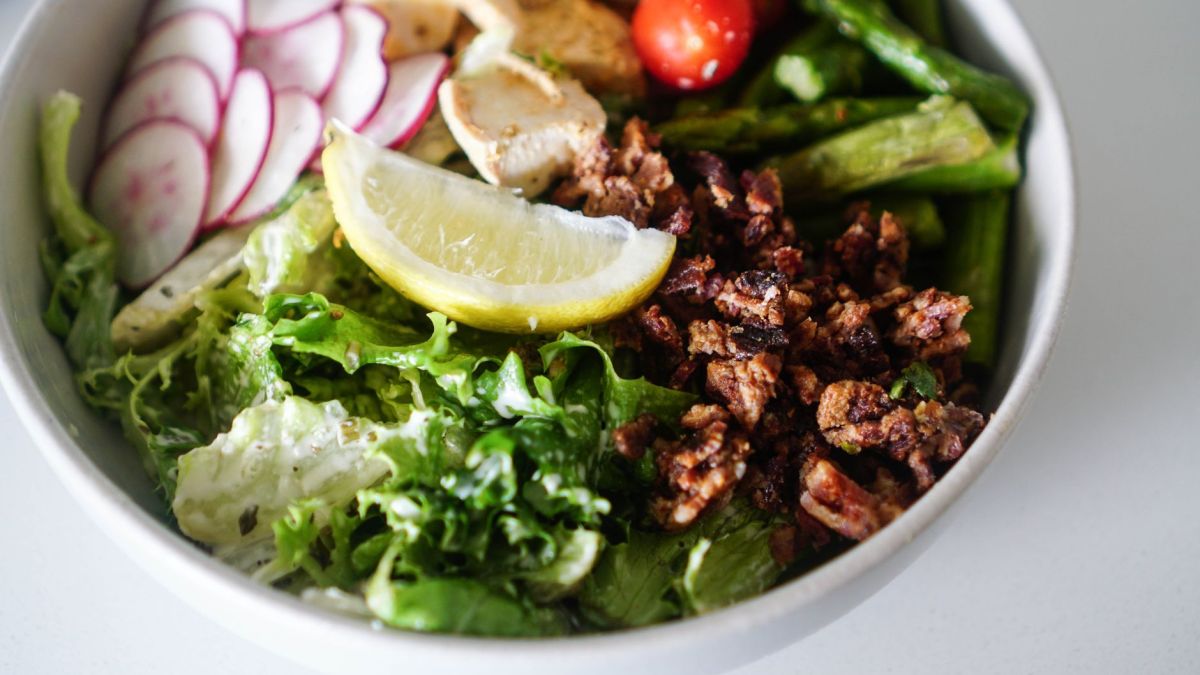
In the context of fast food, 'protein-maxxing' refers to the prioritization of high-protein ingredients to maintain muscle mass and satiety. This often manifests as 'protein bowls'—meals that remove fillers like rice or buns in favor of meat and vegetables—and 'protein callouts,' which are labels that explicitly state the protein content of a menu item.
Impacts and why it matters
This shift marks a transition from a volume-based value proposition to one based on nutrition. For the general consumer, this means more accessible options, such as substituting fries for side salads—like Chick-fil-A's kale crunch salad—or choosing wraps over burgers for better macronutrients. According to a 2026 study in Food Policy, GLP-1 use has increased consumers' willingness to pay for protein products.
The economic stakes are high. McDonald's is making this bet while carrying roughly $40 billion in debt as of the end of 2025. However, the opportunity is significant; the chicken category is nearly a $130 billion market growing over 5% annually, with Chicken McNuggets alone generating nearly $15 billion in annual systemwide sales. Adapting to the protein trend is therefore a critical move to protect and grow core revenue streams.
What comes next
Over the next decade, McDonald's will implement its $8.5 billion investment in restaurant modernization and technology. Jill McDonald, executive vice president and global chief restaurant experience officer, stated that the company is looking to add more choice in beef, including different portion sizes and burger bowls. The success of this investment will depend on whether these changes translate into increased visit frequency.
The broader industry is expected to continue expanding functional food offerings. While the National Restaurant Association found that nearly half of GLP-1 users reduced their dining frequency, these users still average 7.6 restaurant purchases per week, compared to 5.1 among non-users. This suggests that the habit of eating out remains strong, provided the menus evolve. This article is for informational purposes only and does not constitute investment advice.
Quick questions
Why is fast food changing its menus?
Chains are adapting to the rise of GLP-1 weight-loss medications and a general wellness trend. These changes include offering smaller portions and higher protein to meet the needs of users with lower appetites.
How much is McDonald's investing in this shift?
McDonald's is exploring a roughly $8.5 billion investment over the next decade to modernize restaurants and overhaul its menu.
What are GLP-1 medications?
They are medications used for weight loss and type 2 diabetes that reduce appetite and slow digestion by mimicking a gut hormone.
Sources consulted
- Drive-thru menus are changing. Here's what restaurants are adding, getting rid of — KSL.com
- McDonald’s is exploring an $8.5 billion bet on a fast food wave led by protein-maxxing and GLP-1s — Fortune
- McDonald's is spending $8.5 billion to overhaul its menu for the GLP-1 era — and shares dropped 6% on the news — Yahoo Finance
Written with the help of artificial intelligence from the sources above. Found a mistake? Let our editors know.
Read next

MRVL stock: Marvell shows 2nm optical links, expands AT&S deal
Marvell Technology (MRVL) presented what it calls the industry's first 2nm optical interconnect demonstrations at ECOC 2026 and expanded its collaboration with AT&S to secure advanced IC substrate capacity for future AI and cloud infrastructure products.
Australia Raises Interest Rates to 15-Year High as Inflation Risks Mount
The Reserve Bank of Australia raised its cash rate to 4.6%, a 15-year high, marking the fourth increase this year. Governor Michele Bullock cited persistent inflation driven by Middle East energy shocks and AI-related tech costs, warning further hikes remain possible.

Taylor Sheridan's 'Landman' season 3 starts rolling cameras as 'Lioness' star shares set photo
Production for the third season of 'Landman' has officially begun in Texas. Actor James Jordan confirmed the news via social media, with a projected release window for spring or summer 2027.