
Trump denies offering Iran sanctions relief for nuclear concessions – US politics live
President Donald Trump has denied reports that he offered Iran sanctions relief and the release of frozen funds in exchange for nuclear concessions. The dispute comes as mediators attempt to end a seven-month war between the two nations.
President Donald Trump has publicly rejected reports suggesting he was willing to ease economic sanctions and release frozen funds to Iran in exchange for 'concrete' progress regarding its nuclear program. The denial follows reports from Axios and CNN, which cited unidentified U.S. officials claiming such an offer existed as part of a potential final deal. This diplomatic friction occurs as both nations engage with mediators to resolve a seven-month war, with the U.S. prioritizing nuclear restrictions and Iran focusing on the lifting of naval blockades.
Quick summary
- President Trump denied via Truth Social that he offered any sanctions relief or frozen funds to Iran.
- Axios and CNN reported that U.S. officials saw the offer as a way to secure concrete nuclear concessions.
- Iran's Revolutionary Guards called Trump a 'big liar,' denying the pursuit of nuclear weapons.
- President Masoud Pezeshkian stated Iran is open to talks but rejects 'bullying or coercion'.
- Mediators from Qatar and Pakistan are attempting to broker a deal between the warring parties.
What happened
On Monday, President Donald Trump used his Truth Social platform to deny reports that he had offered Iran economic incentives to end the current conflict. Specifically, he addressed a story from Axios, stating, 'This is untrue. I offered them NOTHING.' The reports in question, also echoed by CNN, suggested that the administration was open to providing sanctions relief and unfreezing Iranian funds, provided Tehran took verifiable and 'concrete' steps to limit its nuclear capabilities.
According to U.S. officials cited by Axios, the proposal was intended to drive a diplomatic breakthrough. These officials described indirect talks as 'positive and constructive,' noting that Iran had indicated flexibility on nuclear issues. However, the U.S. side remains skeptical, with officials stating that no deal will be reached unless nuclear issues are fully addressed and assurances are provided that Iran is not merely seeking a way out of its current economic hardship.
The situation is further complicated by accusations of bad faith. U.S. officials claim Iran violated a previous memorandum of understanding by firing at commercial vessels in the Strait of Hormuz in July. Consequently, the Trump administration maintains that its position strengthens daily as the naval blockade and sanctions continue to pressure the Iranian regime, asserting that the U.S. needs proof that Iran is serious about a deal.
How we got here
The current tension is the result of a seven-month war characterized by deep diplomatic divides. The U.S. has maintained a policy of preventing Tehran from acquiring a nuclear bomb and ending its ability to attack neighboring countries. Meanwhile, Iran maintains that it has the right to domestic nuclear energy capacity and denies any intention to develop nuclear weapons, arguing that the U.S. is more interested in destroying Iran's influence than in nuclear safety.
The path to the current impasse is marked by disputes over maritime and nuclear security. The U.S. has utilized a naval blockade to degrade Iran's position, while Iran has sought to shift the focus of negotiations toward the freedom of traffic in the Strait of Hormuz. This cycle of pressure and denial has led to the current reliance on third-party mediators to bridge the gap between the two administrations.
- July: The U.S. accuses Iran of breaking a memorandum of understanding after attacks on commercial ships in the Strait of Hormuz.
- September 22: Pete Hegseth issues a memo to the Defense Department regarding the protection of voting mechanisms against foreign actors.
- Current Week: Qatari and Pakistani mediators facilitate talks in New York with Iranian Foreign Minister Abbas Araghchi and U.S. officials.
Who is involved
The U.S. administration, led by President Trump, views the prevention of a nuclear-armed Iran as a primary goal. The administration is demanding concrete nuclear concessions as a prerequisite for any economic relief. This strategy relies on the belief that the naval blockade and sanctions are effectively degrading Iran's ability to sustain its current posture.
On the Iranian side, President Masoud Pezeshkian has expressed readiness for talks on the nuclear program and other issues, but emphasized in an interview with CBS's 'Face the Nation' that Iran will not accept 'bullying or coercion.' He stated that while Iran is not seeking war, it will defend itself against pressure and threats, adding that Tehran had already agreed that it is not supposed to develop nuclear weapons.
Adding to the tension, spokesperson Hossein Mohebbi of the Revolutionary Guards called President Trump a 'big liar.' Mohebbi asserted that the U.S. knows Iran is not pursuing nuclear weapons and claimed that the real issue is Iran's 'vastness,' which the U.S. allegedly wants to destroy. This reflects a deep lack of trust between the military leadership in Tehran and the administration in Washington.
Explainer
Sanctions relief refers to the removal or easing of economic penalties imposed by one country on another to force a change in policy. In this context, it involves the U.S. allowing Iran to engage in international trade and unfreezing billions of dollars in Iranian assets held in foreign banks, which would provide the Iranian government with immediate liquidity.
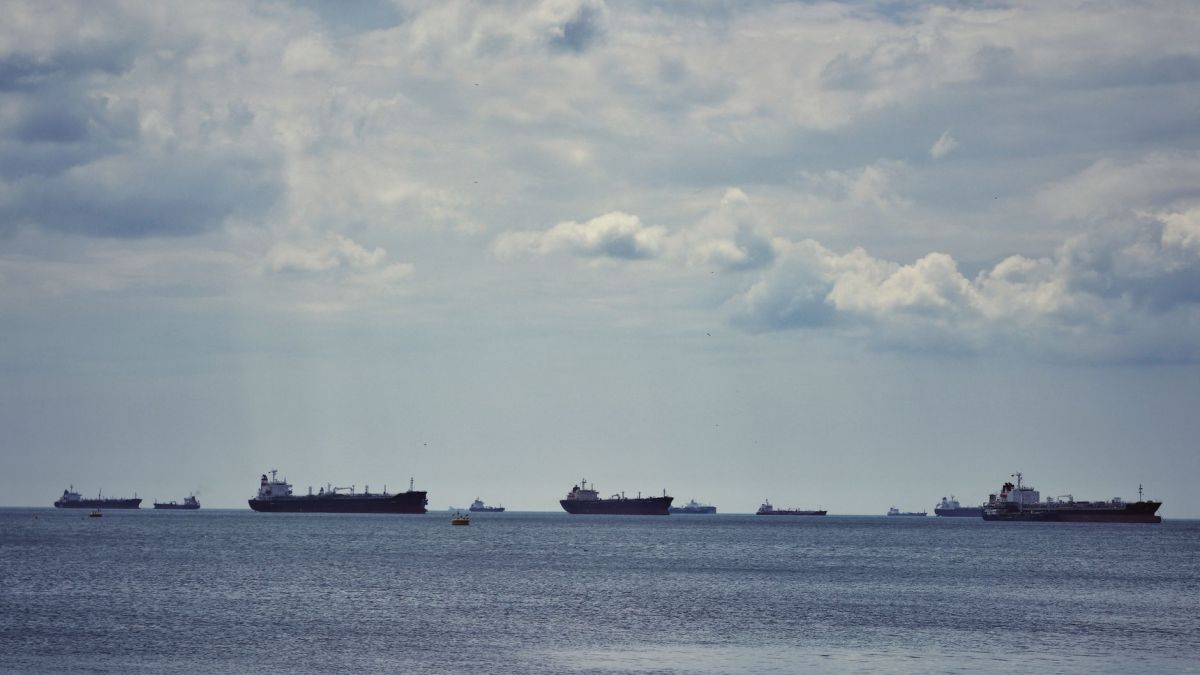
The Strait of Hormuz is a strategic narrow waterway between Oman and Iran and is one of the world's most important oil transit chokepoints. A U.S. naval blockade in this region significantly impacts Iran's ability to export oil and sustain its economy, which is why Iran insists that the blockade be a central point of any diplomatic negotiation.
Impacts and why it matters
The dispute over whether an offer was made highlights the volatility of the diplomatic process. According to Axios, the U.S. and Iran remain far apart on key issues, with Iran wanting talks to focus on the Strait of Hormuz and the U.S. demanding nuclear concessions. This disagreement over the sequence of steps is a central point of contention in the negotiations.
Furthermore, the outcome of these negotiations could determine the stability of global energy markets and the proliferation of nuclear capabilities in the Middle East. The U.S. goal of ensuring Iran never possesses a nuclear weapon is a cornerstone of its regional security strategy, while Iran's insistence on its right to nuclear energy capacity remains a point of international contention.
What comes next
Diplomatic efforts continue with Qatari mediators expected to meet with Trump administration officials on Monday or Tuesday. These meetings aim to discuss a Qatari proposal that has been under negotiation for several days, with the hope of finding a breakthrough despite the public denials from the White House.
The success of these talks depends on whether both sides can agree on the timing of commitments and which party will take the first step. While U.S. officials describe the indirect talks as 'positive,' the fundamental disagreement over the sequence of concessions—nuclear steps versus sanctions relief—remains a primary obstacle to a final deal.
Quick questions
What did President Trump deny?
President Trump denied reports from Axios and CNN stating that he was willing to offer Iran sanctions relief and the release of frozen funds in exchange for concrete nuclear concessions.
What is Iran's position on the nuclear program?
Iran denies seeking nuclear weapons and argues it has the right to domestic nuclear energy capacity, though President Pezeshkian stated Tehran had already agreed it is not supposed to develop nuclear weapons.
Who is mediating the talks?
Mediators from Qatar and Pakistan are currently attempting to broker a deal between the U.S. and Iran.
Sources consulted
Written with the help of artificial intelligence from the sources above. Found a mistake? Let our editors know.
Read next

Men in court over alleged plot to target Manchester Jewish community
Two Iranian nationals have been charged with terrorism offenses for an alleged plot to target the Jewish community in Manchester. Authorities claim the men planned to use an improvised explosive device and conducted reconnaissance on several sites.

Putin Russia: Putin Warns West Over Kaliningrad Defense
Russian President Vladimir Putin warned that Moscow is ready to use all available weapons, including nuclear arms, if its Kaliningrad exclave is attacked or blockaded. The statement comes amid rising hybrid warfare tensions in the Baltic region.

Who is the 'hero' Indian pilot who was stabbed on Israel-bound flight?
Capt. Smit Machchhar prevented a mid-air disaster on a Flydubai flight to Israel after being stabbed by a colleague. Despite severe injuries, he enabled passengers and crew to subdue the attacker and land safely in Saudi Arabia.