
Trump to deliver UN address amid Iran war and domestic pressure
President Donald Trump is scheduled to address the UN General Assembly on Tuesday. The speech comes as the US contends with a prolonged war in Iran, global energy price spikes, and low approval ratings ahead of the November midterm elections.
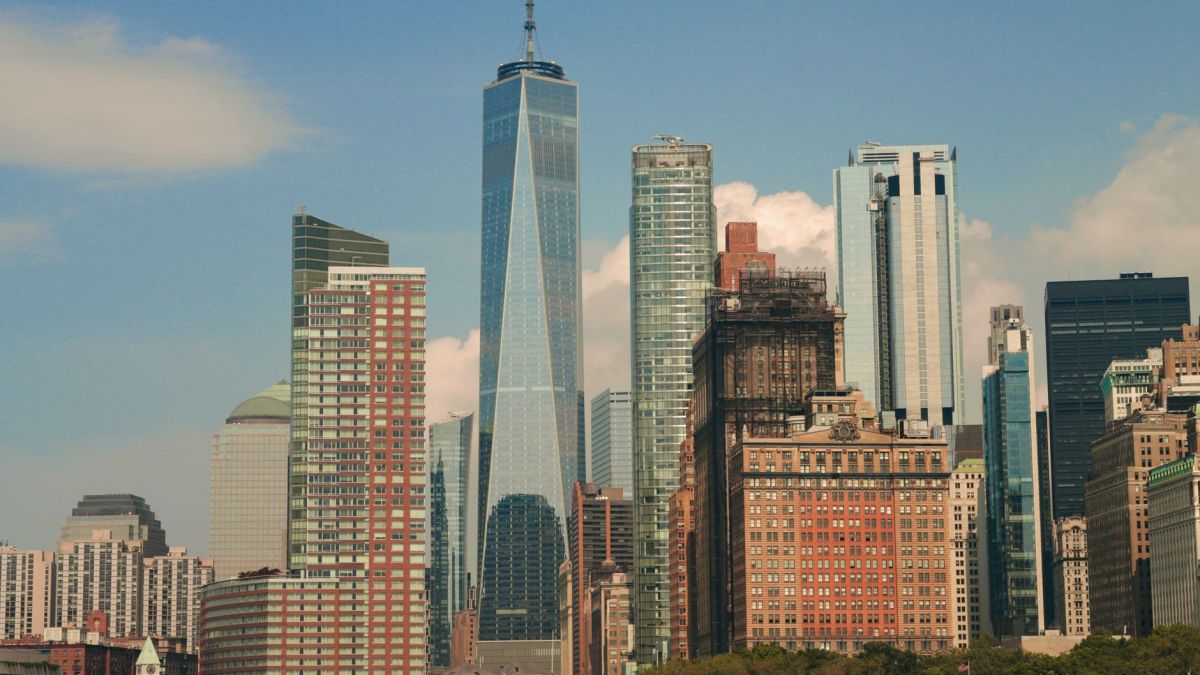
President Donald Trump is set to deliver an address to the United Nations General Assembly this Tuesday in New York City. The appearance occurs at a critical juncture as the United States remains engaged in a military conflict with Iran that began in February, while the administration faces low approval ratings. The event takes place as world leaders gather in New York, with the president's remarks expected to be scrutinized for their impact on international relations and the upcoming US midterm elections in November.
Quick summary
- Trump will speak at the UN General Assembly on Tuesday amid speculation over the tone of his message.
- The US is involved in a war with Iran since February, which has not ended despite initial predictions of a quick collapse of the regime.
- Iran's closure of the Strait of Hormuz has driven up global energy prices and fueled US inflation.
- Recent social media posts show Trump proposing an 'AI force' and an 'AI Czar' to maintain US leadership in technology.
- The president began his New York trip on Monday with a meeting with Mayor Zohran Mamdani at Gracie Mansion.
What happened
President Trump is preparing for his Tuesday address to the UN General Assembly, following a series of unconventional social media posts. According to The Guardian, the president has recently discussed turning a planned triumphal arch in Washington DC into a military storage facility, claiming this was requested by the US military, though no evidence was provided. He has also posted a list of his 'Top 25 Trump Achievements' since returning to office and shared an image titled 'His Hemisphere' showing him gazing at a global map.
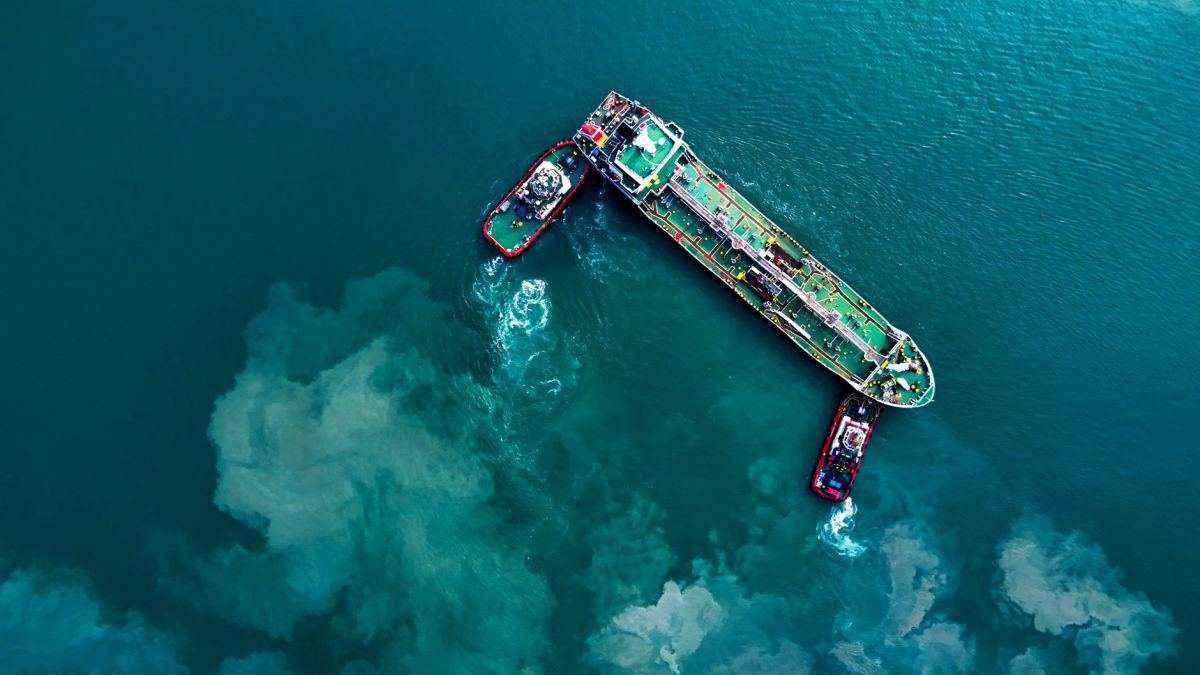
The diplomatic context is heavily influenced by the war against Iran, launched in February in tandem with Israel. While Trump predicted the conflict would last a few days and result in the collapse of Tehran's Islamic regime, the regime remains in power. In response to the hostilities, Iran closed the Strait of Hormuz, a strategic waterway for one-fifth of the world's oil exports, which has caused global energy prices to soar and increased inflation within the United States.
Adding to the tension is the presence of Iranian President Masoud Pezeshkian at the UN. Although Trump has signaled a willingness to meet his counterpart, it is thought unlikely that Pezeshkian will agree to such an encounter. This is attributed to pressure from regime hardliners to remain firm and avoid compromise with an enemy that Tehran still brands as 'the great Satan,' according to The Guardian.
How we got here
Trump's history with the UN General Assembly suggests a tendency toward divisive rhetoric. In his first appearance since returning to the White House in January of the previous year, he told the assembly that their countries were 'going to hell' and attacked the concept of open borders. In 2018, he claimed his administration had accomplished more than almost any other in the country's history, a statement that drew laughter from other leaders.
The current geopolitical strain is rooted in the following timeline of events: * February: The US and Israel launch a war against Iran. * Post-February: Iran closes the Strait of Hormuz, impacting global oil exports. * Recent Days: Trump posts about an 'AI force' and a planned 'AI Czar' to combat 'hoaxes' from the 'radical left dumocrats.' * Monday: Trump meets with Mayor Zohran Mamdani at Gracie Mansion to start his New York visit.
Who are the involved
The primary figures include President Donald Trump and the Iranian President, Masoud Pezeshkian, whose potential interaction is a point of international interest. On the domestic front, New York City Mayor Zohran Mamdani met with the president on Monday. The administration's broader strategy is typically shaped by the State Department, the Pentagon, and the intelligence community, who traditionally review and rehearse presidential UN speeches.
Other key actors include the Iranian regime hardliners who influence Pezeshkian's diplomatic stance and the global community of leaders gathered in New York. Additionally, the Republican party is heavily involved as a stakeholder, as the president's performance and the economic fallout from the Iran war could impact the November midterm elections.
Explainer
The United Nations General Assembly is the main policy-making organ of the UN, where world leaders meet annually to discuss international affairs. The Strait of Hormuz is a critical maritime chokepoint; because it handles a significant portion of the world's oil, its closure directly affects global energy markets and inflation rates.
Artificial Intelligence (AI) is described by Trump as the 'next Industrial Revolution,' potentially impacting up to 25% of the US GDP. To manage this, he has proposed an 'AI force' and an 'AI Czar,' modeled after the Space Force established during his first presidency, to ensure the US remains ahead of China and other nations.

Impacts and why it matters
The economic impact of the conflict with Iran is significant. The closure of the Strait of Hormuz has stoked inflation in the US, which, combined with the unpopularity of the war, has deflated Trump's approval ratings. According to polls, a majority of Americans oppose the war, creating a political vulnerability for the Republican party ahead of the midterms.
Diplomatically, the address is a test of US leadership. The president's recent social media activity—ranging from rebranding AI to discussing military storage in Washington—has left the world guessing whether he will deliver a traditional, reviewed speech or a 'scattergun diatribe.' The outcome could either stabilize relations with allies or further alienate them during a period of global instability.
What comes next
The immediate focus is the Tuesday address. Observers will be looking to see if the speech follows the traditional drafting process involving the State Department and Pentagon or if it mirrors the volatile tone of his recent social media posts. There is also anticipation regarding whether any last-minute diplomatic breakthrough will occur between Trump and President Pezeshkian.
Following the UN event, the administration must navigate the domestic fallout of the Iran war and rising energy costs. The results of these diplomatic and military efforts will likely be a central theme in the lead-up to the November midterm elections, as voters weigh the administration's foreign policy against economic stability.
Quick questions
When is President Trump scheduled to speak at the UN?
President Trump is set to address the United Nations General Assembly on Tuesday in New York City.
Why is the war with Iran affecting the US economy?
Iran closed the Strait of Hormuz, a waterway for one-fifth of the world's oil exports, which has caused global energy prices to soar and increased inflation in the US.
What is the proposed 'AI force'?
It is a proposed initiative by President Trump, modeled after the Space Force, which would be led by an 'AI Czar' to ensure US leadership in artificial intelligence.
Sources consulted
- Trump’s bizarre social media blitz leaves world guessing ahead of UN address — The Guardian
- Trump heads into a week of diplomacy, hampered by a lack of allies — The Washington Post
- Trump set for whirlwind UN meetings with wars in Iran, Ukraine on agenda — Reuters
- Trump to address U.N. amid tensions with allies, war with Iran and Russia-Ukraine war — CBS News
- Trump meets with Mamdani ahead of U.N. address — CBS News
Written with the help of artificial intelligence from the sources above. Found a mistake? Let our editors know.
Read next
Men in court over alleged plot to target Manchester Jewish community
Two Iranian nationals have been charged with terrorism offenses for an alleged plot to target the Jewish community in Manchester. Authorities claim the men planned to use an improvised explosive device and conducted reconnaissance on several sites.
Putin Russia: Putin Warns West Over Kaliningrad Defense
Russian President Vladimir Putin warned that Moscow is ready to use all available weapons, including nuclear arms, if its Kaliningrad exclave is attacked or blockaded. The statement comes amid rising hybrid warfare tensions in the Baltic region.
Who is the 'hero' Indian pilot who was stabbed on Israel-bound flight?
Capt. Smit Machchhar prevented a mid-air disaster on a Flydubai flight to Israel after being stabbed by a colleague. Despite severe injuries, he enabled passengers and crew to subdue the attacker and land safely in Saudi Arabia.