
AMD Stock Hits $1 Trillion Market Cap Amid AI Demand
AMD stock reached a record high, pushing the company's market capitalization past $1 trillion for the first time. The surge is driven by a 107% year-over-year increase in data center revenue, though some analysts warn of stretched valuations.
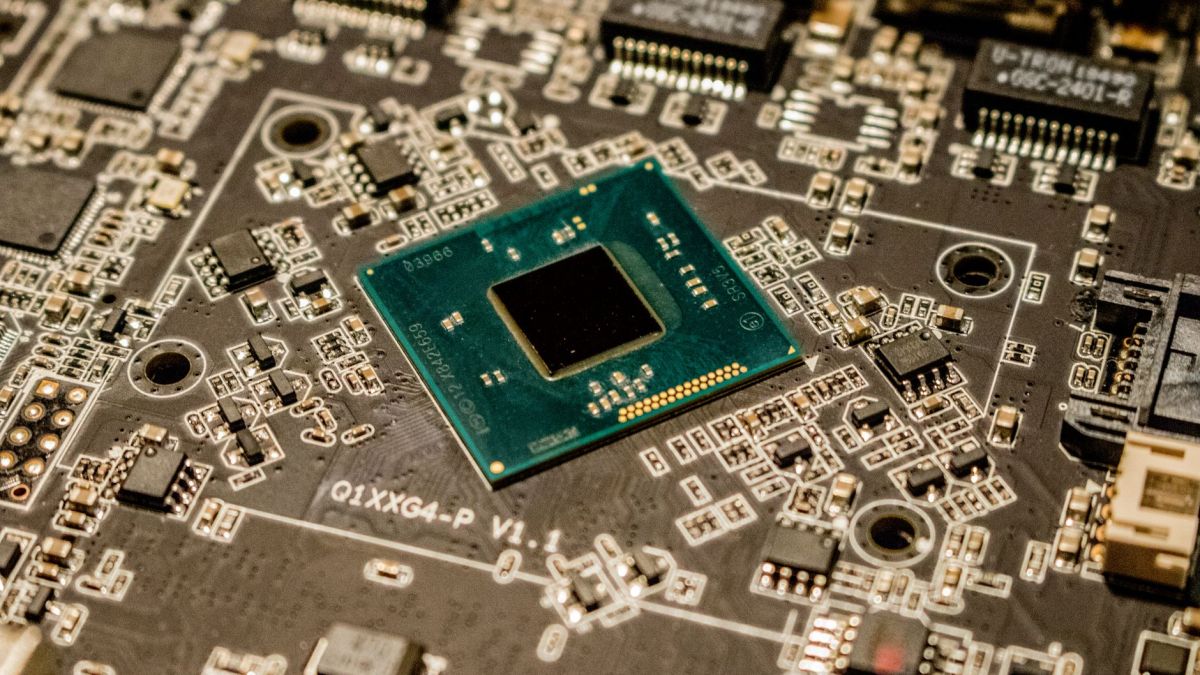
Advanced Micro Devices (AMD) reached a significant financial milestone on Monday, as its stock rose 9% to push the company's total market capitalization above the $1 trillion mark for the first time. Shares hit an intraday high of $613.92, concluding a five-day rally during which the stock gained approximately 24%. This movement comes as the company leverages the global expansion of artificial intelligence infrastructure to grow its presence in the semiconductor industry.
Quick summary
- AMD stock surpassed a $1 trillion market valuation for the first time after hitting an intraday high of $613.92.
- Data Center revenue grew 107% year-over-year to $6.7 billion in the second quarter.
- The stock has increased 161.4% year-to-date and more than 180% over the current year.
- CEO Lisa Su expects data center sales to double by 2027.
- Analysts from 24/7 Wall St maintain a 'hold' rating with a price target of $510.66, citing a high trailing P/E ratio of 211.

What happened
The recent climb in amd stock follows a period of strong financial performance. For the second quarter, AMD reported total revenue of $11.54 billion, representing a 50% increase from the $7.69 billion reported a year prior. The growth was primarily driven by the Data Center unit, which saw sales rise 107% year-over-year to $6.7 billion, now accounting for 58% of the company's total revenue.
The company also reported a non-GAAP earnings per share (EPS) of $1.66, beating the consensus estimate of $1.61. Looking forward, management provided guidance for the third quarter with projected revenue of approximately $13 billion, which would be an increase of about 41% compared to the previous year.
However, not all segments showed growth. Gaming revenue decreased 31% year-over-year, which the company attributes to the console cycle. Additionally, free cash flow declined by 9.89% year-over-year as AMD invested in capacity for the Helios ramp-up scheduled to begin in the third quarter of 2026.
How we got here
AMD's path to a $1 trillion valuation is tied to the increasing demand for AI accelerators. Over the past year, the stock has climbed 254.5%, with a year-to-date increase of 161.4%. This growth is supported by the development of the Instinct GPU line and Venice EPYC CPUs, targeting an AI accelerator total addressable market (TAM) projected to reach $1.4 trillion by 2030, growing more than 45% annually.
- Q2 FY2026: Revenue reached $11.54 billion, with Data Center sales doubling year-over-year.
- Recent Period: A five-day winning streak resulted in a 24% gain in share price.
- Monday: Shares hit $613.92, crossing the $1 trillion market cap threshold.
Who are the key players
CEO Lisa Su has led the company's AI strategy, stating on a recent earnings call that AMD expects to double data center sales by 2027. The company's growth is supported by anchor customers such as Microsoft Azure, OpenAI, and Anthropic—which has a 2 GW commitment for MI450 chips—and Meta, which uses up to 6 GW of Instinct GPUs.
AMD operates in a highly competitive environment. Nvidia remains the market leader with a market cap of approximately $5.4 trillion; its CEO, Jensen Huang, recently stated he expects the company to double the number of chips it sells next year. Intel also remains a competitor, with its DCAI segment growing 59% to $6.26 billion in Q2 2026, though its market cap of $574 billion is lower than AMD's.
What the parties are saying
Market reactions are mixed. While the stock price has surged, analysts at 24/7 Wall St describe AMD's trailing price-to-earnings (P/E) ratio of 211 as 'dangerously stretched' compared to Nvidia's P/E of 45. Consequently, they have issued a 'hold' recommendation with a 12-month price target of $510.66, suggesting a potential downside of 8.78%.
The bearish scenario from 24/7 Wall St points to a price of $399.25, citing risks such as U.S. export controls, High Bandwidth Memory (HBM) constraints, and Nvidia's CUDA software moat. Conversely, a bull case above $616 is possible if the company achieves high FY2027 EPS estimates of $20.25 with a 40x multiple, provided there is perfect execution on Helios and Instinct.
Explainer
Market Capitalization (Market Cap) is the total value of a company's shares, calculated by multiplying the current share price by the total number of outstanding shares. The Price-to-Earnings (P/E) ratio compares the share price to the company's earnings per share; a high P/E often indicates that investors expect significant future growth or that the stock may be overvalued.
In the semiconductor industry, GPUs (Graphics Processing Units) and CPUs (Central Processing Units) are the primary hardware used in Data Centers to process AI workloads. HBM (High Bandwidth Memory) is a specialized memory required for high-speed data processing in AI chips, while CUDA is a proprietary software platform developed by Nvidia that allows developers to program its GPUs.
Impacts and why it matters
AMD's $1 trillion valuation suggests that investors believe the AI market can support multiple major players. However, the valuation gap between AMD and Nvidia indicates that AMD is being priced for high expectations. According to 24/7 Wall St, the stock is 'fully priced for perfect execution,' meaning any production delays could lead to volatility.
External risks also play a role. U.S. export controls on semiconductors can limit the available market for these chips. Additionally, supply constraints regarding HBM could impact the delivery of MI450 and Helios systems, including a planned 50,000-GPU deployment for Oracle Cloud in the third quarter of 2026.
What comes next
Attention now turns to the third quarter. Analysts suggest that if revenue exceeds the top end of management's guidance at $13.3 billion and the 2027 data-center outlook is raised, it could change the current 'hold' recommendation to a 'buy'.
The company's long-term performance will depend on the production ramp of Helios rack-scale systems and the MI500 cycle. As the AI accelerator market grows toward a projected $1.4 trillion by 2030, the ability of the data center segment to maintain its growth rate will be the primary driver for the stock.
Disclaimer: This text is for informational purposes only and does not constitute investment advice or a recommendation to buy or sell any security.
Quick questions
Why did AMD stock reach a $1 trillion market cap?
The surge was driven by strong demand for AI chips, with the company's Data Center revenue growing 107% year-over-year to $6.7 billion in the second quarter.
What are the risks associated with AMD's current valuation?
Analysts point to a high trailing P/E ratio of 211, U.S. export controls, HBM memory constraints, and competition from Nvidia's CUDA software moat.
What is the outlook for AMD's data center business?
CEO Lisa Su expects data center sales to double by 2027, supported by products like Helios rack-scale systems and MI450 GPUs.
Sources consulted
Written with the help of artificial intelligence from the sources above. Found a mistake? Let our editors know.
Read next
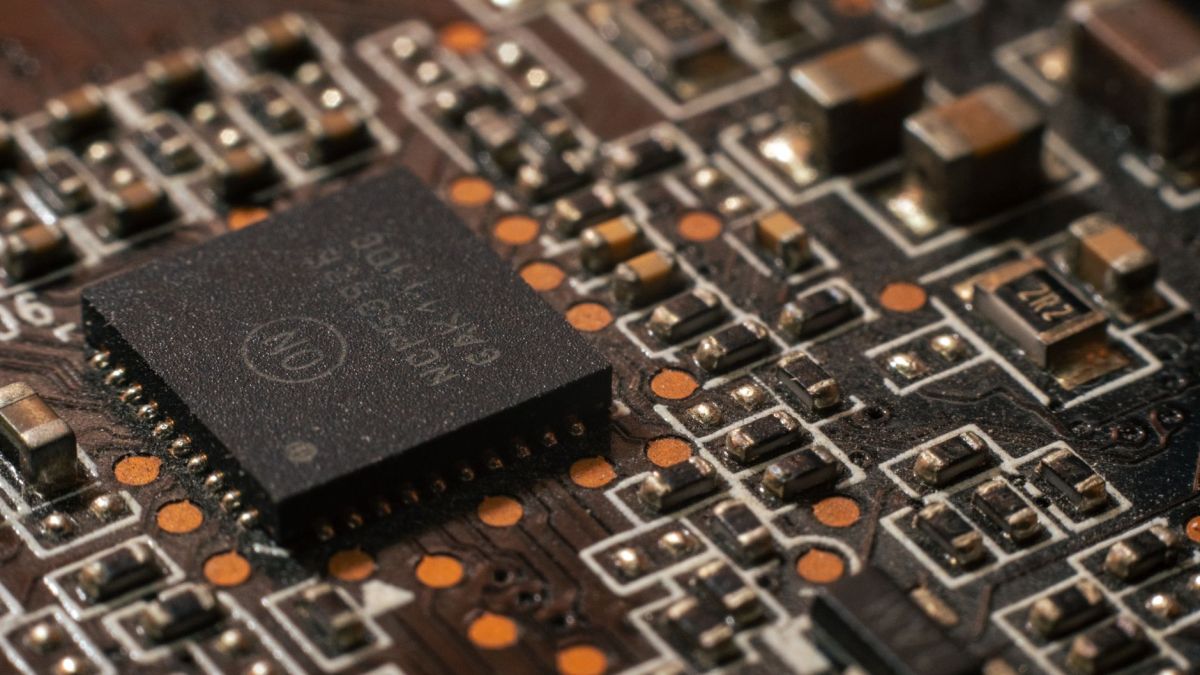
MRVL stock: Marvell shows 2nm optical links, expands AT&S deal
Marvell Technology (MRVL) presented what it calls the industry's first 2nm optical interconnect demonstrations at ECOC 2026 and expanded its collaboration with AT&S to secure advanced IC substrate capacity for future AI and cloud infrastructure products.

Fast Food Chains Pivot to Protein as GLP-1 Use Rises
Major fast food chains are shifting from 'supersized' meals to high-protein, smaller-portion menus. This pivot is driven by the rise of GLP-1 weight-loss medications and a broader American trend toward wellness and functional nutrition.
Australia Raises Interest Rates to 15-Year High as Inflation Risks Mount
The Reserve Bank of Australia raised its cash rate to 4.6%, a 15-year high, marking the fourth increase this year. Governor Michele Bullock cited persistent inflation driven by Middle East energy shocks and AI-related tech costs, warning further hikes remain possible.