
Macron and Carney announce closer France-Canada ties amid Trump tensions
French President Emmanuel Macron and Canadian Prime Minister Mark Carney have announced plans to forge closer bilateral ties. The meeting took place on the French territory of Saint-Pierre and Miquelon as Ottawa seeks stronger relations with the European Union amid trade disputes with the United States.

French President Emmanuel Macron and Canadian Prime Minister Mark Carney have pledged to forge closer bilateral cooperation across energy, space, and other sectors during a meeting, as Ottawa seeks deeper integration with the European Union amid an intensifying trade war with the United States.
Quick summary
- French President Emmanuel Macron and Canadian Prime Minister Mark Carney met on the French territory of Saint-Pierre and Miquelon.
- The visit marks the first time a French president has visited the archipelago since 2014, and the first by a Canadian prime minister.
- Discussions focused on strengthening ties in energy, space, defense, and climate action.
- The diplomatic push follows rising trade tensions and a bitter tariff dispute between Canada and the United States.
- European Union leaders have recently proposed making Canada the bloc's first associate member.

What happened
The two leaders met on Sunday on the island archipelago of Saint-Pierre and Miquelon, situated roughly 25 kilometers off the coast of Newfoundland in Canada. According to reports from The Guardian and Al Jazeera, the visit carries symbolic weight following a social media post by US President Donald Trump. Trump had shared an altered map depicting the United States flag draped over North America, which included Canada, Greenland, and the French territories of Saint-Pierre and Miquelon.
During their joint media conference, Macron dismissed the suggestion that the islands could ever cease to be French, stating that he does not need to repeatedly validate their status simply because people say strange things. The talks opened the door for bilateral discussions aimed at sealing concrete deals, particularly regarding liquefied natural gas exports from Canada to Europe. Both leaders emphasized their mutual dedication to democratic principles, international law, and fair trade practices.
How we got here
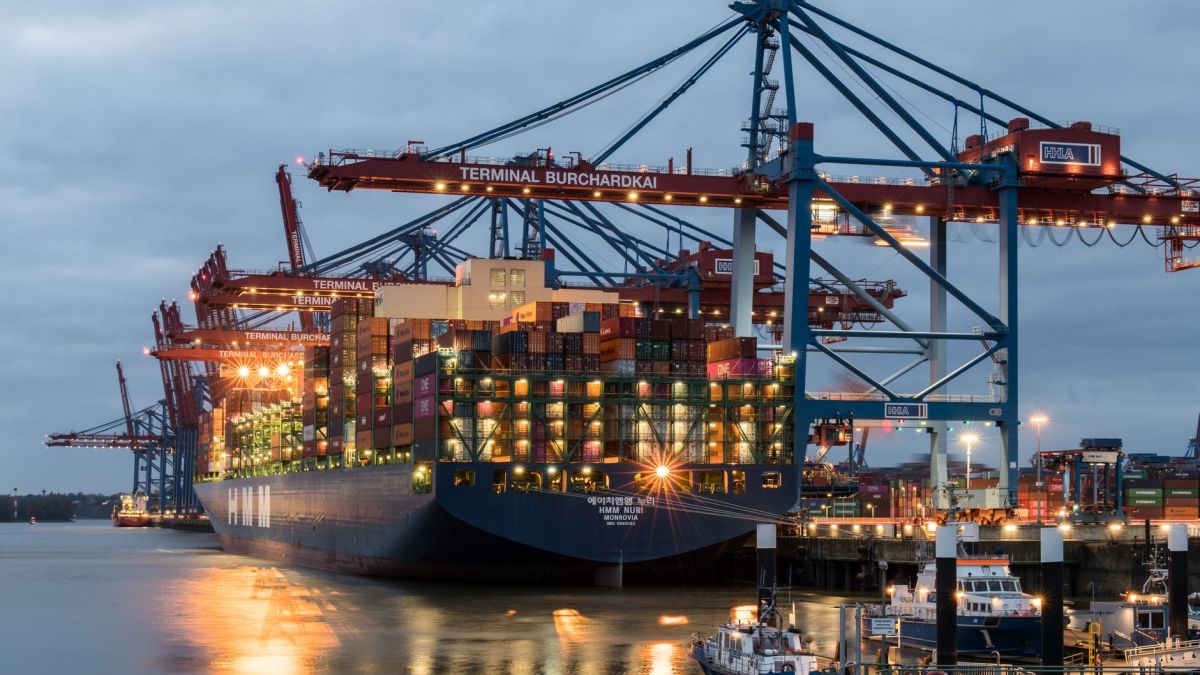
Relations between Washington and Ottawa have deteriorated after negotiations over trade failed to produce an agreement, plunging the neighbors into an acrimonious trade conflict. The Trump administration levied steep tariffs of up to 50 percent on roughly $20 billion worth of Canadian goods, encompassing machinery, textiles, and sports equipment such as hockey sticks. In response, Ottawa enacted retaliatory economic measures against American products, deepening the bilateral standoff.
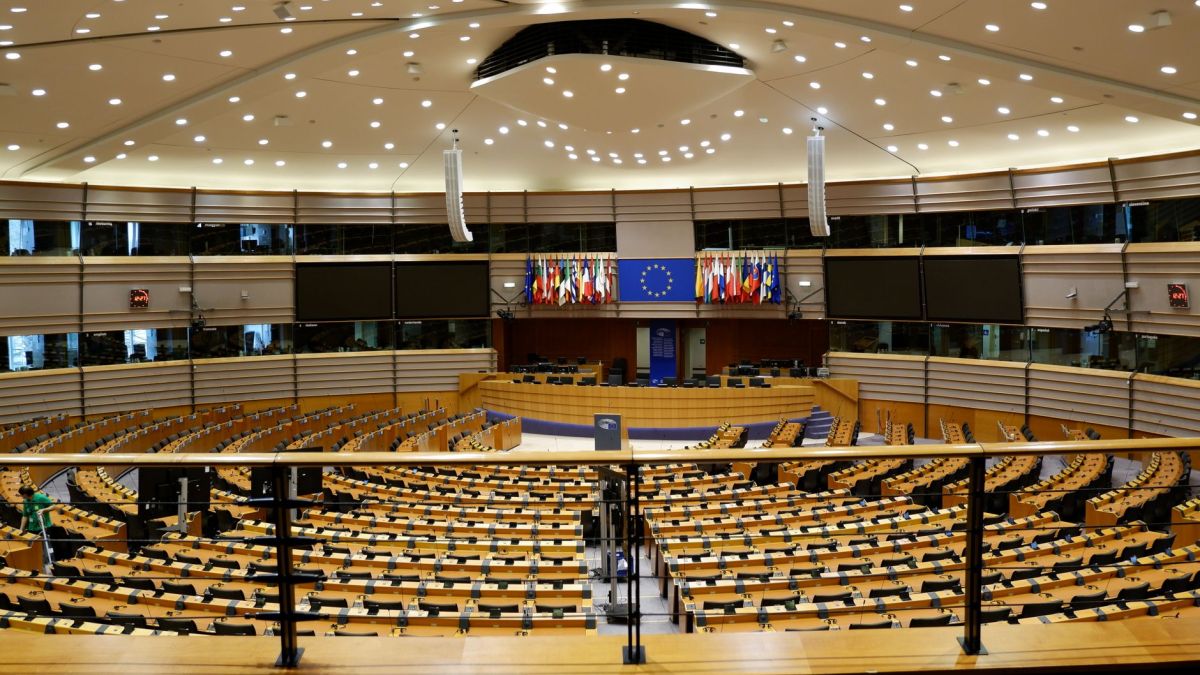
Concurrently, European Commission President Ursula von der Leyen proposed integrating Canada as the European Union's inaugural associate member. This diplomatic overture prompted criticism from President Trump, who dismissed the concept as laughable and warned that it could be perceived as a hostile act. Prime Minister Carney defended the initiative during an address to the European Parliament, stressing that Canada aims to build economic resilience rather than rival superpower influence.
Who are the key figures involved
French President Emmanuel Macron represents the European power currently seeking strategic autonomy and strengthened transatlantic energy partnerships. Canadian Prime Minister Mark Carney leads Ottawa's diplomatic strategy to diversify international trade relationships and mitigate economic dependence on the United States. European Commission President Ursula von der Leyen initiated the proposal for Canada's associate membership within the European Union.
US President Donald Trump occupies a central role in the unfolding geopolitical dynamic through his administration's tariff policies and remarks regarding North American territorial sovereignty. Local officials and diplomats in both Ottawa and Paris have coordinated the current diplomatic alignment to reinforce democratic norms and multilateral cooperation against external pressures.
What the parties and sources say
Prime Minister Carney stated during the joint conference that both nations share viewpoints regarding national sovereignty and security. Carney noted the necessity of securing independent access to advanced technology, clean energy, and critical minerals, stating that the time has come to strengthen ties. He previously emphasized to the European Parliament that Canada seeks resilience rather than dominance.
President Macron echoed these sentiments, highlighting that both allies firmly believe in the rule of law and scientific decision-making. Addressing energy cooperation, Macron noted that Canadian liquefied natural gas projects are important for Europe. Conversely, President Trump criticized Ottawa's European alignment, warning that if the integration poses negative intentions for the United States, Washington would respond with severe tariffs and potential trade halts.
Explainer
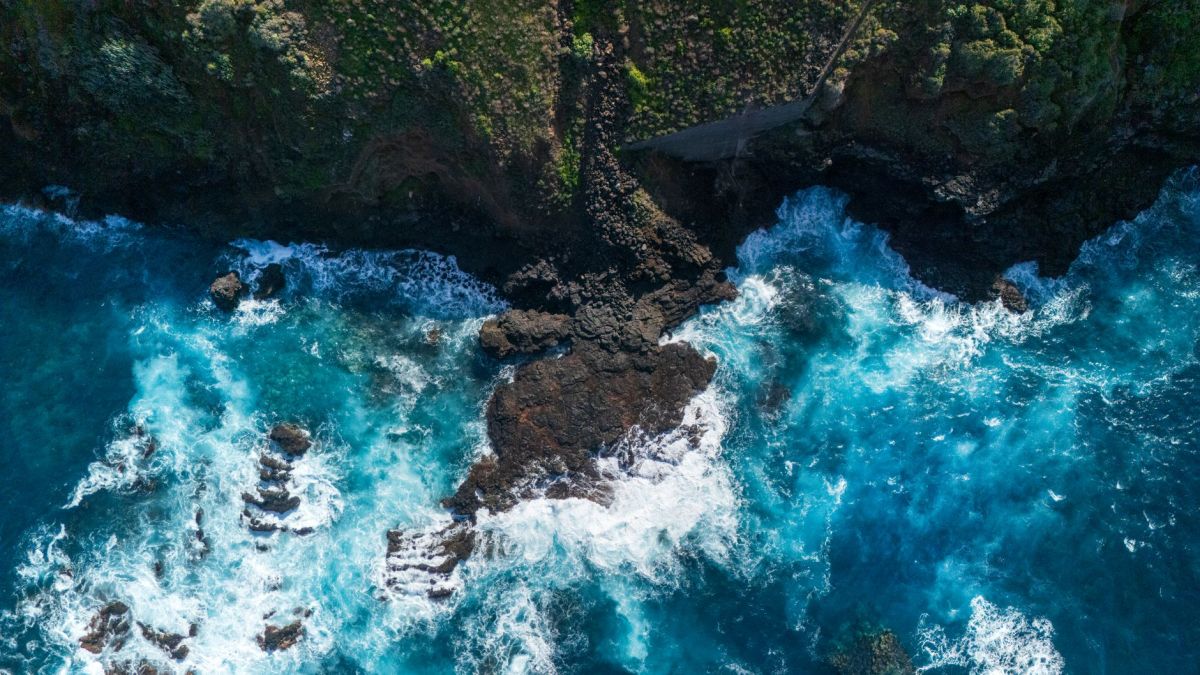
Saint-Pierre and Miquelon is a self-governing French territorial collectivity located in the northwest Atlantic Ocean near Canada. Because of its strategic geographic proximity to North America and the Arctic, the archipelago serves as a vital geopolitical outpost for France.
Associate membership in the European Union is a specialized diplomatic status proposed for non-member countries to foster deeper economic and political integration without granting full voting rights within EU governing institutions. The concept aims to streamline trade cooperation and regulatory alignment between the bloc and external partners.
Impacts and why it matters
The rapprochement between Paris and Ottawa signifies a strategic shift in diplomatic alignments. As Canada confronts sweeping American tariffs and trade policies, forging a closer economic partnership with the European Union provides an alternative market for Canadian exports, particularly in liquefied natural gas.
Furthermore, the alignment underscores a collective European and Canadian push to defend international trade rules and multilateral institutions against rising protectionism. However, analysts note that any formal integration with the EU faces legislative hurdles, as several European member states have yet to ratify existing comprehensive trade agreements with Canada.
What comes next
Bilateral talks between French and Canadian officials will continue to translate their newly pledged cooperation into concrete commercial agreements. Paris and Ottawa are expected to advance discussions regarding expanded Canadian energy shipments to Europe.
Meanwhile, the European Union will evaluate the procedural framework required to establish Canada as its first associate member, despite ongoing warnings and tariff threats from the United States administration.
Quick questions
What prompted the meeting between Emmanuel Macron and Mark Carney?
The leaders met to pledge closer ties to grapple with rising geopolitical tensions, climate change, and trade disputes involving the United States.
Where did the leaders meet?
They met on Saint-Pierre and Miquelon, a French territory located off Canada's Atlantic coast.
Why is Canada seeking closer ties with the European Union?
Ottawa is seeking closer relations with the EU amid an escalating trade war and tariff disputes with the United States.
Sources consulted
Written with the help of artificial intelligence from the sources above. Found a mistake? Let our editors know.
Read next

Southern California Heat Advisory: Extreme Heat Expected Through October
A prolonged heat wave is hitting Southern California, with extreme heat watches in effect for several counties. Forecasters warn that dangerously hot conditions could persist until mid-October.
Rare September Weather: Nor'easter May Hit Northeast US
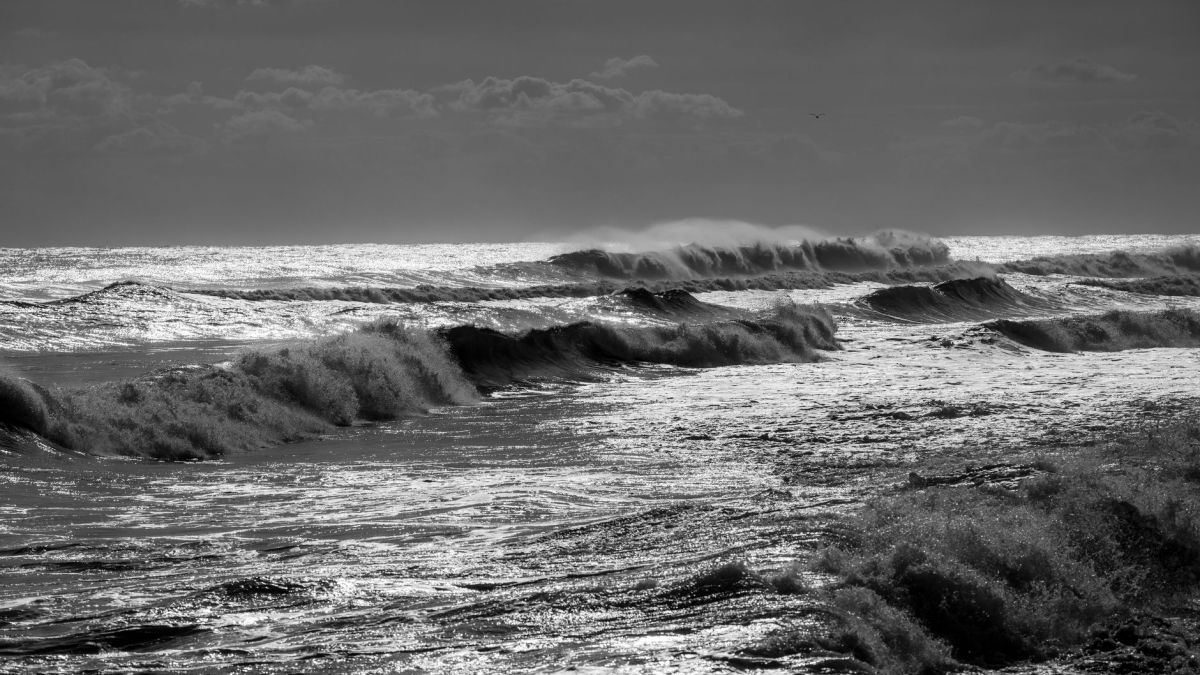
A potential nor'easter is forming off the East Coast, threatening the Northeast and mid-Atlantic with rain, wind, and coastal erosion. Forecast models currently diverge on the storm's intensity and proximity to the shore.
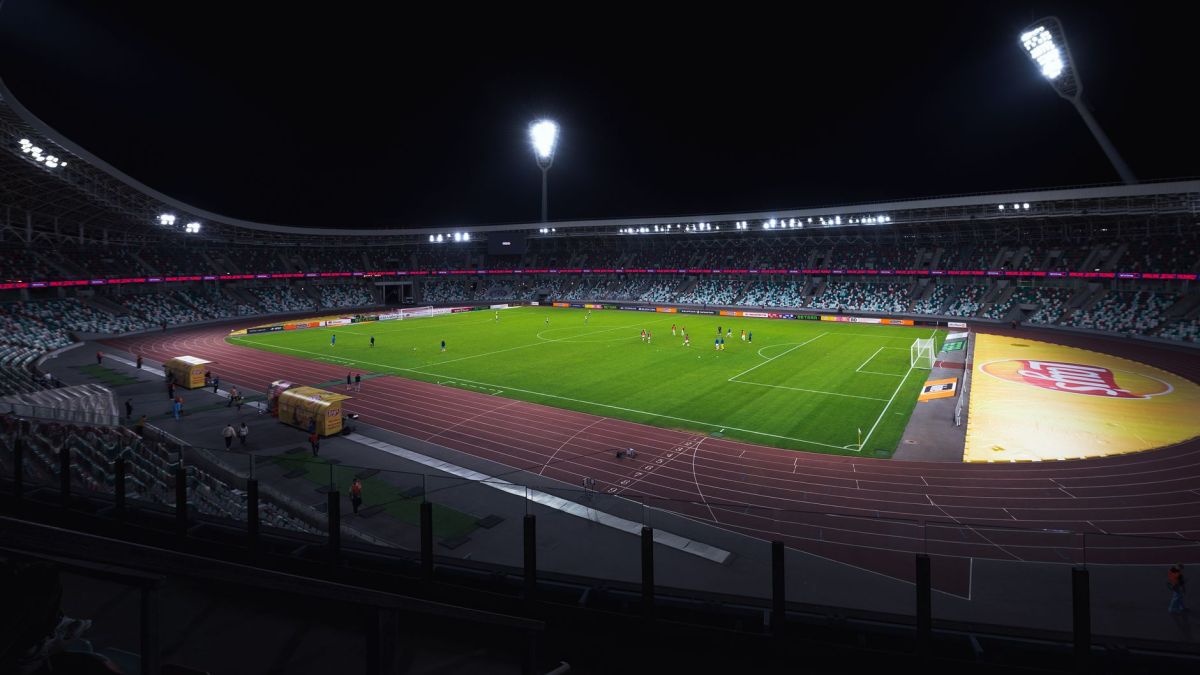
Croatia vs Spain: Nations League preview, lineups and stakes
Croatia host Spain at Stadion Poljud in Split on Tuesday, October 6, in the UEFA Nations League 2026-27 Group A3. Spain arrive with a perfect record and a 41-match unbeaten run, while Croatia look to respond after their heaviest defeat in history.