
Meta Opens Muse AI Agent to Hardware Builders With Open-Source Project
Meta released Muse Gadgets, an open-source project providing firmware and a Linux SDK so developers can build custom hardware for its Muse AI agent. The company also built a reference device, the Muse Home Link, and is giving away 5,000 units to subscribers.

Meta is opening its Muse artificial intelligence agent to hardware developers through a new open-source project called Muse Gadgets, providing firmware and a Linux software development kit that let anyone build custom devices powered by the AI assistant. The company also introduced its own reference device, the Muse Home Link, a USB-C dongle that connects Muse to home networks and smart devices, and said it manufactured 5,000 units to give away free to Muse subscribers.
Quick summary
- Meta launched Muse Gadgets, an open-source project for building custom AI hardware
- Company provides open-source firmware and a Linux SDK for developers
- Meta built its own reference device called Muse Home Link
- 5,000 Home Link dongles are being given free to Muse subscribers
- A dedicated Discord community has been created for developer support
- The move extends Meta's strategy to make Muse more than a chatbot
What happened
On Friday, Meta announced Muse Gadgets, an open-source initiative designed to let developers and hobbyists create their own hardware devices that connect to Muse, the company's personal AI agent. According to Nat Friedman, head of product at Meta's Superintelligence Labs, the company is releasing open-source firmware — the low-level software that runs on a device — along with a Linux SDK to enable developers to bring the AI agent to physical hardware. Meta suggested several form factors to spark creativity, including a dedicated E Ink display, an HDMI dongle for televisions, and a small touchscreen accessory resembling the Muse Charm device revealed last week by CEO Mark Zuckerberg at the company's Connect conference.
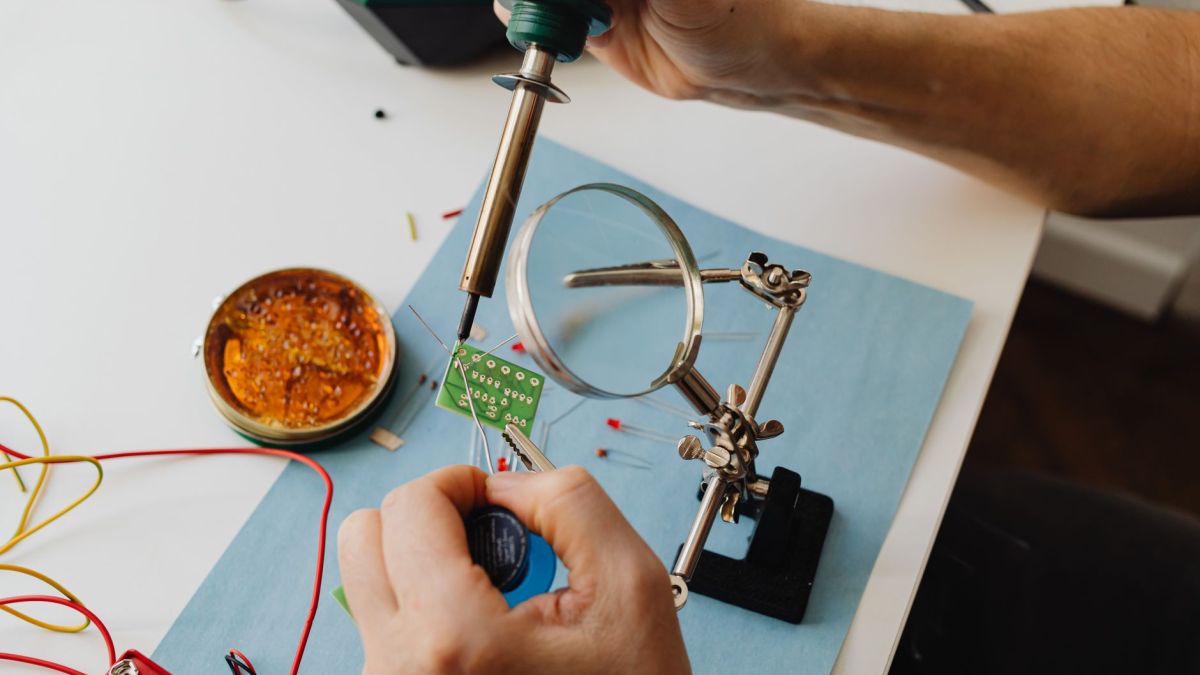
The platform is designed to be flexible, allowing tinkerers to connect Muse to displays, buttons, sensors, actuators, and other components commonly found on a workbench. Developers can use low-cost hobbyist computers such as a Raspberry Pi or an off-the-shelf ESP32 board as the foundation for their builds. To support the community, Meta has also launched a dedicated Discord channel where builders can share progress and troubleshoot issues.
How we got here
Meta has been steadily expanding the Muse ecosystem beyond a simple chatbot interface. The AI agent, which can book travel, fill out forms, and shop on a user's behalf, has already gained popularity with consumers. Last week at Connect, Zuckerberg unveiled the Muse Charm, a tamagotchi-like dedicated hardware device that lets users speak to the agent without wearing the company's smart glasses. That reveal signaled Meta's intent to give Muse a physical presence in users' lives.
Earlier this week, the company introduced Muse for Small Business, a free tier with usage limits that connects the agent to tools such as Shopify, Dropbox, and Slack. Meta also launched a new business unit, Meta Enterprise Platform, aimed at pushing its AI offerings to corporate customers. The Muse Gadgets announcement continues this pattern of broadening Muse's reach — from consumers to small businesses to enterprises, and now to the developer and hardware-hobbyist community.
- Last week: Mark Zuckerberg reveals Muse Charm at Connect conference
- Earlier this week: Meta launches Muse for Small Business with Shopify, Dropbox, Slack integrations
- Earlier this week: Meta announces Meta Enterprise Platform for corporate AI sales
- Friday: Meta unveils Muse Gadgets open-source project with firmware and Linux SDK
- Friday: Meta announces Muse Home Link dongle and 5,000-unit giveaway to subscribers
Who is involved
The key figure behind the announcement is Nat Friedman, who serves as head of product at Meta's Superintelligence Labs. Friedman detailed the Muse Gadgets initiative and the Home Link device in a post on X, where he noted that the Home Link announcement had garnered nearly 30,000 views within hours. Mark Zuckerberg, Meta's CEO, set the stage last week by unveiling the Muse Charm at the company's annual Connect developer conference.
On the developer side, the initiative targets hobbyists, tinkerers, and hardware enthusiasts who are comfortable working with platforms like Raspberry Pi and ESP32 boards. The Discord community Meta created will serve as the primary gathering point for these builders. Subscribers to the Muse service are the initial beneficiaries of the Home Link giveaway, receiving the USB-C dongles at no cost while supplies last.
What the parties say
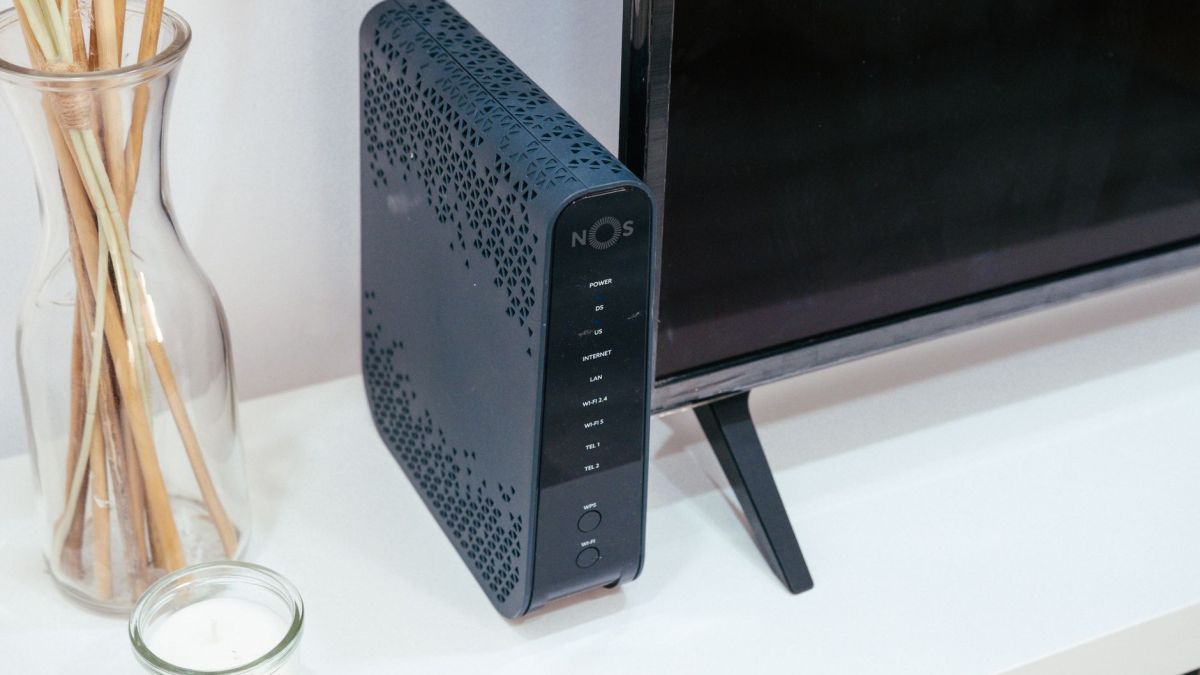
Nat Friedman described the Muse Home Link as "a little usb-c powered device that allows Muse to connect to your home network to talk to smart home devices like TVs and speakers and anything else that exposes https." He said the company manufactured a batch of 5,000 Home Links and is giving them away to Muse subscribers, with shipping expected to begin within a few weeks.
Meta's official documentation for the project emphasizes flexibility, stating that users can connect Muse "to your displays, buttons, sensors, actuators, and whatever else you've got lying on your workbench." The company has not disclosed whether it has broader commercial plans for the Muse Gadgets initiative beyond the open-source release and the Home Link giveaway. Zuckerberg, speaking at Connect last week, positioned the Muse Charm as an alternative for people who want to interact with their AI agent without wearing smart glasses, suggesting a multi-device strategy for Muse access.
Explainer
Muse is Meta's personal AI agent, designed to perform tasks on a user's behalf such as booking travel arrangements, completing online forms, and making purchases. Unlike a typical chatbot that only responds to prompts, an AI agent can take actions across different services and websites. The Muse Charm, revealed at Connect, is a small dedicated hardware device — similar in concept to a tamagotchi — that provides a physical interface for speaking with the agent without requiring Meta's smart glasses.
The Muse Gadgets project provides two core technical components: firmware and an SDK. Firmware is the low-level software programmed directly onto a device's hardware that controls its basic functions. An SDK, or software development kit, is a collection of tools, libraries, and documentation that helps developers build applications for a specific platform. In this case, the Linux SDK lets developers write code that connects their custom hardware to Muse's cloud-based intelligence. The ESP32 and Raspberry Pi mentioned are popular low-cost microcontroller and single-board computer platforms widely used by hobbyists for electronics projects.
Impacts and why it matters
By open-sourcing the firmware and SDK, Meta is lowering the barrier for hardware experimentation with its AI agent. This approach could accelerate innovation in form factors and use cases that Meta's internal teams might not anticipate, from specialized accessibility devices to novel smart-home controllers. The Home Link dongle demonstrates one practical application: bridging Muse to existing smart-home ecosystems that expose HTTPS interfaces, letting the agent control TVs, speakers, and other connected devices without requiring each appliance to have native Muse integration.
The strategy mirrors moves by other AI companies to extend their agents beyond screens and into the physical world. Giving away 5,000 Home Links creates an installed base of developers and power users who can test real-world scenarios and provide feedback. However, the initiative's long-term impact depends on whether a sustained developer community forms around the Discord channel and whether Meta continues to invest in the platform. The company has not committed to manufacturing additional Home Links or releasing commercial hardware based on the Gadgets reference designs.
What comes next
The immediate next steps involve distribution of the 5,000 Muse Home Link units to subscribers, with Friedman indicating shipping would begin within a few weeks. The Discord community is now active and will serve as the primary venue for developer collaboration, troubleshooting, and showcase of custom builds. Meta has not announced a timeline for additional reference devices, firmware updates, or a second production run of the Home Link.
Developers who receive Home Links or build their own Gadgets will likely begin sharing projects in the coming weeks, offering the first real-world test of the platform's flexibility. Whether Meta expands the program — perhaps with a developer kit for sale, a certification program for third-party hardware, or integration with the newly announced Meta Enterprise Platform — remains to be seen. The company's broader push into small business and enterprise AI suggests Muse's hardware ecosystem could eventually extend beyond hobbyist use cases.
Quick questions
What is Muse Gadgets?
Muse Gadgets is an open-source project from Meta that provides firmware and a Linux SDK so developers can build their own hardware devices powered by the Muse AI agent.
What is the Muse Home Link?
The Muse Home Link is a USB-C powered dongle built by Meta as a reference device for the Muse Gadgets project. It connects Muse to a home network to control smart devices like TVs and speakers that expose HTTPS interfaces.
How many Home Link devices is Meta giving away?
Meta manufactured 5,000 Home Link units and is giving them away for free to Muse subscribers while supplies last.
Sources consulted
Written with the help of artificial intelligence from the sources above. Found a mistake? Let our editors know.
Read next

Google Launches Gemini 4 Argon, Its Most Advanced AI Model, Starting With Security Partners
Google has released Gemini 4 Argon, its most capable AI model to date, designed for deep reasoning across complex tasks. Independent benchmarks show it matches top rivals at lower cost with the lowest hallucination rate among leading models. Access begins with governments and security partners.

Details on Nvidia's new security platform designed to stop rogue AI
Nvidia has introduced the Open Agent Safety Platform, combining software and hardware to prevent AI agents from escaping test environments. The system aims to solve safety as an engineering problem to avoid slowing industry development.
Truecaller Launches Scam Checker to Fight Fraud Beyond Caller ID
Truecaller launched Scam Checker, a free web and Android service that lets users verify suspicious phone numbers, links, and messages without an app or account. The tool draws on the company's community-sourced ScamFeed database and proprietary risk signals. It debuts in India with plans to expand to Latin America, the Middle Ea