
Truecaller Launches Scam Checker to Fight Fraud Beyond Caller ID
Truecaller launched Scam Checker, a free web and Android service that lets users verify suspicious phone numbers, links, and messages without an app or account. The tool draws on the company's community-sourced ScamFeed database and proprietary risk signals. It debuts in India with plans to expand to Latin America, the Middle Ea

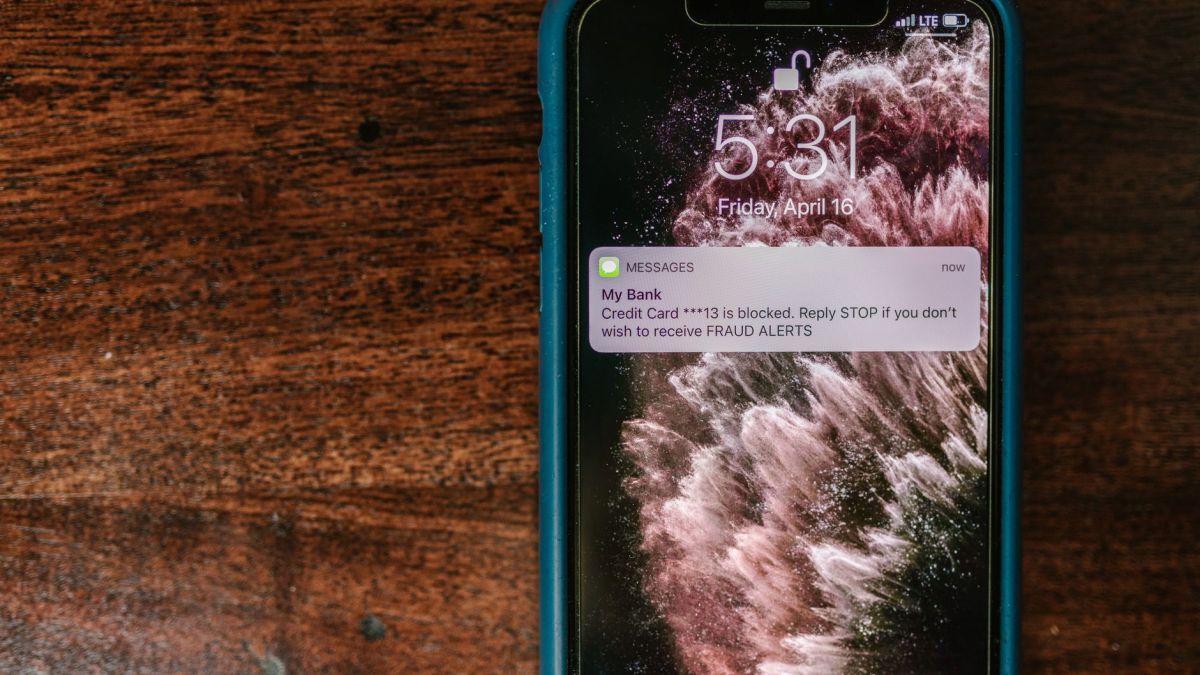
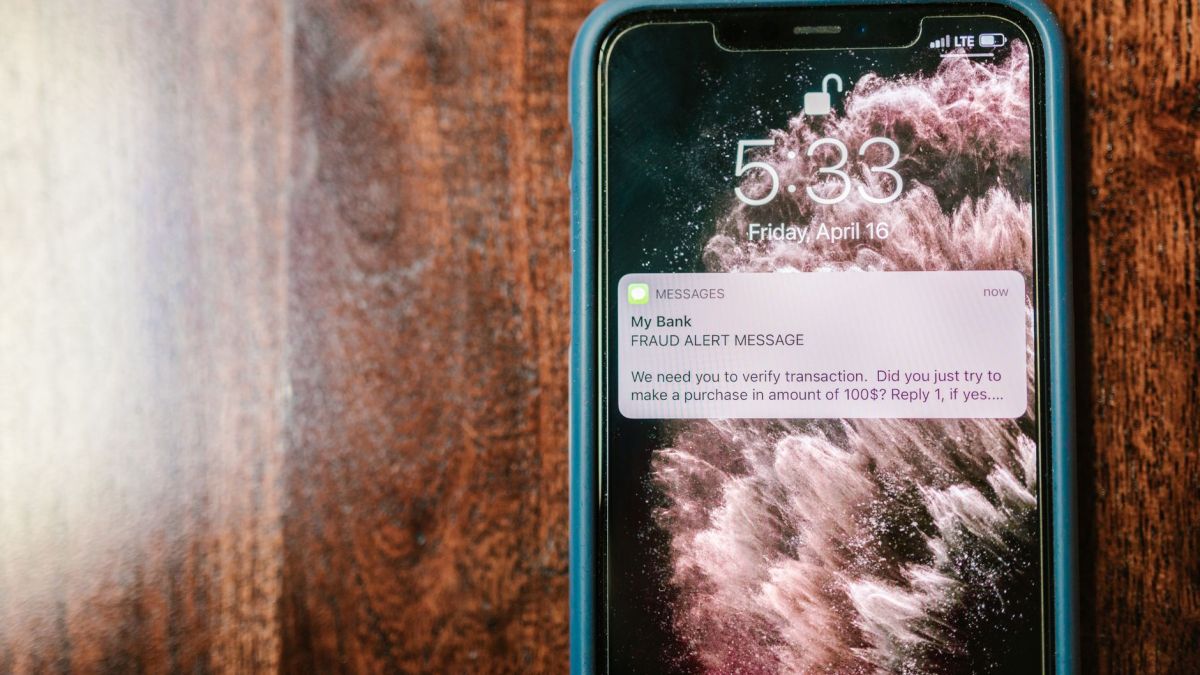
Truecaller, the Swedish company known for its caller identification service used by more than 500 million people, has launched Scam Checker, a free web and Android tool that lets anyone check whether a phone number, link, or message is tied to known fraud. The service requires no app download or account sign-in, marking a strategic shift for a business built on identifying incoming calls. By moving its scam intelligence to the open web, Truecaller is responding to a fraud landscape that has largely migrated from voice calls to messaging apps, text messages, and malicious links.
Quick summary
- Scam Checker is a free, no-login web and Android service that verifies suspicious numbers, links, and messages.
- The tool expands shortened URLs and checks them against Truecaller's proprietary risk database and community reports.
- Service launches first in India, with expansion planned for Latin America, the Middle East, Africa, and Southeast Asia.
- Truecaller estimates users make roughly 14 million web searches monthly to verify suspicious links and numbers.
- The launch comes as telecom operators and major tech platforms add native spam protection, pressuring Truecaller's core caller ID business.
What happened
On Sunday, Truecaller introduced Scam Checker, a service accessible via browser or Android that lets users paste a phone number, URL, or message text to check for fraud signals. The system works by expanding shortened links, following redirects to the final destination, and cross-referencing the results against Truecaller's internal risk database and other fraud signals. Users can also submit a full message, allowing the tool to extract any embedded phone numbers or links and surface related reports from the company's crowdsourced platform, ScamFeed. While the basic check is free and open to all, detailed information such as the name attached to a phone number remains restricted to Truecaller's main app, which requires authentication.
The company confirmed the tool is initially available in India, its largest market with more than 350 million users, and said it plans to roll out to Latin America, the Middle East, Africa, and Southeast Asia. Truecaller developed Scam Checker after observing that people instinctively turn to search engines when they encounter suspicious content, whether it arrives via WhatsApp, SMS, or a forwarded screenshot. The service is designed to meet users in that moment without forcing them to switch applications.
How we got here
For more than a decade, Truecaller's primary business has been caller identification, helping users screen incoming calls by displaying names and spam labels. However, the nature of fraud has shifted dramatically. A 2025 GSMA survey of Indian adults found that among those who reported being scammed, 46 percent were approached through messaging apps, 37 percent via SMS, and 32 percent through voice calls. The data reflects a broader trend: scammers now operate across multiple channels, using links, messages, and increasingly voice and video to deceive victims.
- 2025 GSMA survey: 46% of scammed Indian adults targeted via messaging apps, 37% via SMS, 32% via voice calls.
- Recent weeks: India's telecom regulator ordered caller-ID apps to share user-submitted spam reports with telecom operators.
- Sunday: Truecaller launched Scam Checker in India, enabling free web-based verification of numbers and links.
- Future: Company plans to expand Scam Checker to Latin America, the Middle East, Africa, and Southeast Asia.

Who are the involved
Truecaller, headquartered in Sweden, is the primary developer and operator of Scam Checker. CEO Rishit Jhunjhunwala has been the public face of the company's strategic pivot, emphasizing that protection must follow scammers across channels. The service relies heavily on the Truecaller community, particularly in India, where users contribute to ScamFeed, a crowdsourced feed where people post and discuss scams they encounter. According to the company, roughly 20,000 scam reports are live on ScamFeed in India, with about 1,300 new reports added weekly.
Key stakeholders also include Indian telecom operators, which are rolling out the government-backed Calling Name Presentation service, and global technology platforms such as Apple and Google, which have integrated their own caller identification and spam protection features into their operating systems. Last week, India's telecom regulator mandated that caller-ID apps share user-submitted spam reports with operators, a move Truecaller criticized as a "one-way exchange."
What the parties say
"When you need it, you're usually somewhere else. The link shows up on WhatsApp. Your mum gets a message about a traffic fine. A friend forwards you a screenshot and asks, 'Is this real?'" Jhunjhunwala said. "What people do in that moment is search." He explained that the tool is designed to fit into that existing behavior rather than require users to open a dedicated app.
Jhunjhunwala also addressed the competitive pressures, stating that while caller ID was the first problem Truecaller solved, scams have evolved into a multi-channel threat. "Our protection has to follow the scammer," he said. Regarding the new Indian regulation requiring spam report sharing with telecom operators, Truecaller characterized the mandate as a "one-way exchange." Jhunjhunwala clarified that while community reports can improve the company's fraud and risk products sold to enterprises through Truecaller for Business, Scam Checker itself is aimed at consumers.
Explainer
Caller ID is a telephone service that displays the name or number of an incoming caller, allowing recipients to screen calls. Truecaller built its user base by crowdsourcing this information: when users opt in, their contact lists help populate a global directory that labels unknown numbers. ScamFeed is Truecaller's community platform where users report and discuss scams, creating a real-time database of fraudulent numbers, links, and tactics. Shortened URLs, such as those from bit.ly or similar services, obscure the true destination of a link, a common tactic in phishing and smishing attacks.
Scam Checker addresses these elements by automatically expanding shortened URLs and following redirect chains to reveal the final landing page. It then checks that destination against Truecaller's proprietary risk database, which combines historical fraud patterns, real-time community reports from ScamFeed, and other fraud signals. The service returns a risk assessment and surfaces any related community reports, giving users a clearer picture of the threat without requiring technical knowledge or a dedicated app installation.
Impacts and why it matters
For consumers, Scam Checker lowers the barrier to verifying suspicious content. By eliminating the need to install an app or create an account, the tool can be used in the critical moment when a questionable message arrives, potentially reducing the success rate of phishing, smishing, and other social engineering attacks. The service also encourages a habit of verification before clicking links or responding to requests for personal information or payments.
For Truecaller, the launch represents a necessary diversification. The company's core caller ID business faces mounting competition from native operating system features, carrier-level services like Calling Name Presentation in India, and regulatory mandates that require data sharing without reciprocity. By opening its scam intelligence to the web, Truecaller can attract new users, enrich its risk database with fresh community data, and create a funnel for its enterprise fraud and risk products sold under Truecaller for Business, though the company emphasizes Scam Checker is consumer-focused.
What comes next
Truecaller has outlined several near-term enhancements for Scam Checker. The company plans to broaden the types of scams the service can detect, moving beyond basic link and number verification to identify more complex fraud patterns. A screenshot upload feature is also in development, which would allow users to submit images of suspicious messages or web pages for analysis, helping catch scams that evade text-based detection.
Geographically, the company is preparing to expand beyond India into Latin America, the Middle East, Africa, and Southeast Asia. As Scam Checker rolls out in new markets, Truecaller will likely encounter similar competitive dynamics and regulatory scrutiny, but its reliance on community-driven data and accessible, no-login tools positions it to adapt to local conditions.
Quick questions
What is Truecaller's Scam Checker?
Scam Checker is a free web and Android service that lets users paste a phone number, link, or message to check for fraud signals. It expands shortened URLs, follows redirects, and checks against Truecaller's risk database and community reports from ScamFeed.
Where is Scam Checker available?
The service launched first in India, Truecaller's largest market with over 350 million users. The company plans to expand to Latin America, the Middle East, Africa, and Southeast Asia.
Do I need to install an app or create an account to use Scam Checker?
No. Scam Checker works on the open web and on Android without requiring an app download or account sign-in. Detailed information such as the name attached to a phone number still requires the main Truecaller app with authentication.
Sources consulted
Written with the help of artificial intelligence from the sources above. Found a mistake? Let our editors know.
Read next

Meta Opens Muse AI Agent to Hardware Builders With Open-Source Project
Meta released Muse Gadgets, an open-source project providing firmware and a Linux SDK so developers can build custom hardware for its Muse AI agent. The company also built a reference device, the Muse Home Link, and is giving away 5,000 units to subscribers.

Google Launches Gemini 4 Argon, Its Most Advanced AI Model, Starting With Security Partners
Google has released Gemini 4 Argon, its most capable AI model to date, designed for deep reasoning across complex tasks. Independent benchmarks show it matches top rivals at lower cost with the lowest hallucination rate among leading models. Access begins with governments and security partners.

Details on Nvidia's new security platform designed to stop rogue AI
Nvidia has introduced the Open Agent Safety Platform, combining software and hardware to prevent AI agents from escaping test environments. The system aims to solve safety as an engineering problem to avoid slowing industry development.