Xbox Cloud Gaming to End Unlimited Play with New Hour Caps
Microsoft will implement monthly playtime caps for Xbox Cloud Gaming starting November 2026. This move follows similar restrictions by NVIDIA and a strategic pivot by Amazon, signaling a shift toward metered cloud infrastructure costs.
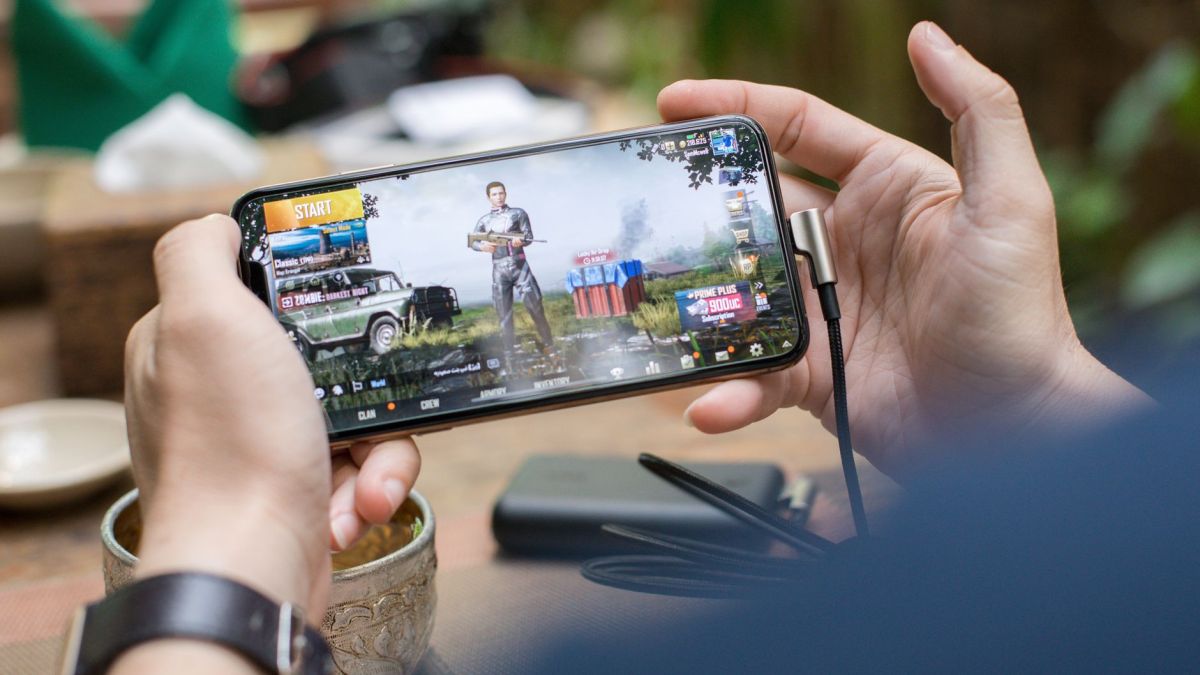
Microsoft is fundamentally altering the value proposition of its streaming service by ending the era of unlimited access for xbox cloud gaming. Starting in November 2026, users will be subject to monthly playtime caps based on their subscription tier, a move designed to manage the high infrastructure costs of server-side GPUs and real-time encoding. This shift comes as the broader cloud gaming market undergoes a massive restructuring, with competitors NVIDIA and Amazon also rewriting their business models to prioritize financial sustainability over unrestricted growth.
Quick summary
- Xbox Cloud Gaming will cap monthly play at 15 hours for Ultimate, 10 for Premium, and 5 for Essential members starting November 2026.
- NVIDIA's GeForce Now already enforces a 100-hour monthly limit for its Performance and Ultimate tiers as of January 2026.
- Amazon Luna has abandoned its game-ownership model, pivoting to a Prime-bundled service with no published hour caps.
- Microsoft reduced the Game Pass Ultimate price from $29.99 to $22.99 in April 2026, though new Call of Duty titles no longer launch day one.
- Amazon's New World: Aeternum is scheduled to be shut down permanently on January 31, 2027.
What happened
Microsoft confirmed in early September 2026 that xbox cloud gaming will move to a metered system. Under the new rules, Game Pass Ultimate subscribers will receive 15 hours of cloud play per month, while Premium subscribers get 10 hours and Essential members get 5. Once these limits are reached, streaming will be disabled until the next billing cycle, unless the user purchases additional time through the Xbox Store, though pricing for these overage blocks has not yet been disclosed.
The restrictions apply exclusively to cloud streaming across devices such as smartphones, tablets, smart TVs, and handhelds. Local gameplay on an Xbox console or a Windows PC remains unaffected, as does the ability to download Game Pass titles for native installation. This distinction indicates that the caps are a cost-control measure for cloud infrastructure rather than a restriction on the Game Pass library itself.
For the user, these limits represent a significant change in habit. A 15-hour monthly allowance for Ultimate members translates to roughly 30 sessions of 30 minutes each, or only 7 to 8 sessions for those who prefer two-hour blocks. Essential subscribers, with only 5 hours, may find their entire monthly quota exhausted in a single weekend of casual streaming.
How we got here
The industry's shift toward metered access began in early 2026 as providers realized the unsustainability of unlimited streaming. NVIDIA led the trend by implementing a 100-hour monthly cap on GeForce Now's top tiers on January 1, 2026, which sparked significant backlash and a wave of cancellations from long-term users. Microsoft followed with its own adjustments, including a February update that increased streaming resolution to 1440p at 60 frames per second.
Parallel to these changes, Amazon Luna underwent a drastic overhaul. Between April and June 2026, Amazon disabled its game store and removed streaming access to purchased third-party games without issuing refunds. By September 10, 2026, Amazon launched 'Remote Play,' allowing a host to invite up to seven guests into multiplayer sessions for free, effectively pivoting Luna from a marketplace to a social retention tool for Amazon Prime.
- January 1, 2026: NVIDIA introduces 100-hour monthly cap for GeForce Now Performance and Ultimate tiers.
- February 2026: Xbox Cloud Gaming updates streaming quality to 1440p/60fps.
- April 10, 2026: Amazon disables Luna's game store and third-party subscriptions.
- April 21, 2026: Microsoft lowers Game Pass Ultimate price to $22.99.
- June 10, 2026: Amazon removes streaming access to purchased third-party games on Luna.
- September 10, 2026: Amazon launches Remote Play for Luna.
- November 2026: Scheduled start of Xbox Cloud Gaming playtime caps.
Who are the involved parties
The primary players are the three giants of cloud gaming: Microsoft, NVIDIA, and Amazon. Microsoft is leveraging its Xbox ecosystem to reach non-console owners, while NVIDIA focuses on high-performance hardware, offering RTX 5080-class servers for its Ultimate tier. Amazon has pivoted its strategy, moving away from first-party AAA development—evidenced by the shutdown of New World: Aeternum—to use Luna as a retention tool for Amazon Prime members.
Other industry actors include Sony, which is expanding cloud access via the PlayStation Portal for PS Plus Premium members starting November 5, 2026. Meanwhile, Nintendo has focused on hardware supply chains, raising the US MSRP for the Switch 2 to $499.99 on September 1, 2026, due to memory-chip shortages. These companies are all positioning themselves for a potential new generation of hardware, with unverified reports suggesting new AMD chips for future PlayStation devices.
What the parties say
Microsoft has framed its changes as a necessary adjustment to the costs of running cloud servers, which scale with usage rather than subscriber count. Similarly, NVIDIA's official FAQ continues to present its Ultimate tier as the premium option with the shortest queues, despite the new 100-hour limit. Amazon's leadership, specifically Vice President Steve Boom, indicated in a memo that the company is halting significant first-party AAA development to lean further into the Luna platform.
From the consumer side, reporting from PCGuide and other outlets highlights visible backlash against NVIDIA's caps. Meanwhile, Amazon has faced criticism for shutting down Luna's game-ownership model without issuing refunds to customers who lost access to purchased titles in June 2026. This has created a climate of uncertainty for users who invested in digital libraries through cloud platforms.
Explainer
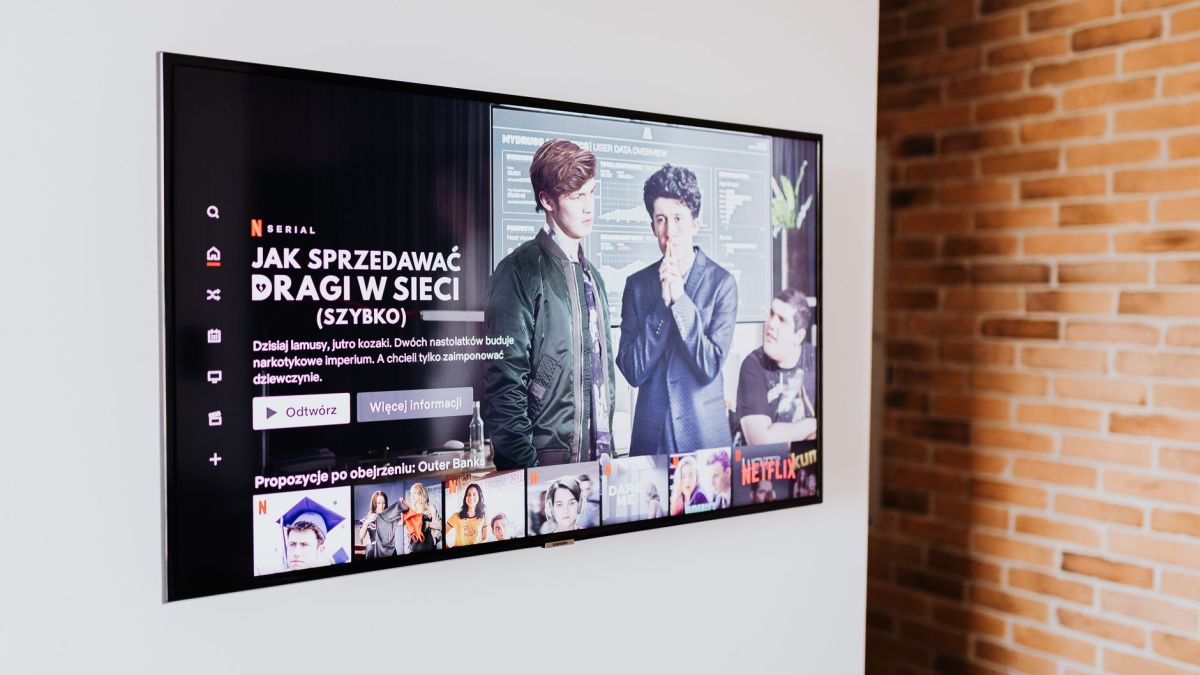
Cloud gaming is a technology where the actual processing of a video game happens on a powerful remote server rather than on the user's local device. The server sends a video stream of the game to the player, who sends inputs back in real-time. This allows high-end games to be played on low-power hardware like smartphones or browsers, provided there is a stable internet connection, typically recommended between 10 to 20 Mbps for 1080p quality.
A 'metered model' in this context refers to a system where a user is given a specific allotment of hours per month. Once that quota is exhausted, the service is cut off until the next billing cycle or until the user pays an additional fee for 'overage blocks,' similar to how some mobile data plans operate. This differs from a subscription-only model where the monthly fee covers unlimited usage.
Impacts and why it matters
The introduction of caps signals that the 'unlimited' promise of cloud gaming was financially unsustainable at scale. For the average user, 15 hours a month may be sufficient for casual play, but it is restrictive for power users. This creates a divide between console owners, who can play locally without limits, and 'cloud-only' players who are now the most financially exposed to these changes.
Furthermore, the shift in Amazon's strategy toward 'Remote Play'—allowing a host to invite up to seven guests for free—shows a move toward social-driven gaming rather than a marketplace model. This differentiates Luna from the high-performance, library-based approach of GeForce Now and the ecosystem-integrated approach of Xbox, suggesting that the industry is splitting into distinct niches: high-end performance, social casual, and ecosystem bundles.

What comes next
The immediate focus for Xbox users will be the November 2026 rollout of the playtime caps. Subscribers are awaiting the publication of exact pricing for additional hour blocks and clarification on how 'idle time' or disconnected sessions will be counted against their monthly quota. This transparency will be critical in determining if the move is perceived as a fair cost-adjustment or a punitive measure.
In the broader market, the industry is watching the January 31, 2027, shutdown of New World: Aeternum as a sign of Amazon's complete retreat from the MMO space. Simultaneously, the market is anticipating further hardware announcements from Sony and Nintendo that may redefine the relationship between local processing and cloud streaming for the next generation of consoles.
Quick questions
What are the new Xbox Cloud Gaming limits?
Starting November 2026, Ultimate subscribers get 15 hours per month, Premium subscribers get 10, and Essential subscribers get 5 hours of cloud streaming.
Does this affect playing games on an Xbox console?
No. The caps apply only to cloud streaming. Local play on a console or PC, and downloading games for native installation, remain unlimited.
What happens if I run out of hours?
Streaming will stop until the next billing cycle, unless you purchase additional time through the Xbox Store, though pricing for these blocks has not yet been released.
Sources consulted
- Amazon Luna vs GeForce Now vs Xbox Cloud: 100-Hr Gap [2026] — https://tech-insider.org/
- Amazon Luna Remote Play Launches as New World Ends [2026] — https://tech-insider.org/
- Xbox Cloud Gaming Ends Unlimited Play: 15hr Cap [2026] — tech-insider.org
Written with the help of artificial intelligence from the sources above. Found a mistake? Let our editors know.
Read next

Meta Opens Muse AI Agent to Hardware Builders With Open-Source Project
Meta released Muse Gadgets, an open-source project providing firmware and a Linux SDK so developers can build custom hardware for its Muse AI agent. The company also built a reference device, the Muse Home Link, and is giving away 5,000 units to subscribers.
Google Launches Gemini 4 Argon, Its Most Advanced AI Model, Starting With Security Partners
Google has released Gemini 4 Argon, its most capable AI model to date, designed for deep reasoning across complex tasks. Independent benchmarks show it matches top rivals at lower cost with the lowest hallucination rate among leading models. Access begins with governments and security partners.
Details on Nvidia's new security platform designed to stop rogue AI
Nvidia has introduced the Open Agent Safety Platform, combining software and hardware to prevent AI agents from escaping test environments. The system aims to solve safety as an engineering problem to avoid slowing industry development.